Workplace safety isn’t a one-time checklist—it’s an ongoing conversation. Yet, many supervisors struggle to start meaningful safety discussions. That’s where free toolbox talk topics PDFs come in. These downloadable resources provide ready-to-use outlines for short, impactful safety meetings that keep crews informed and incidents low.
The best free PDFs don’t just list topics—they offer structured talking points, real-world scenarios, and actionable takeaways. More importantly, they’re designed for teams that don’t have time to build safety content from scratch. This guide breaks down where to find reliable free toolbox talk PDFs, how to use them effectively, and what to avoid when implementing them.
Why Free Toolbox Talk PDFs Are a Game-Changer
Toolbox talks are brief safety meetings—usually 10 to 15 minutes—held at the start of a shift or before high-risk tasks. They’re essential in construction, manufacturing, utilities, and field services. But creating fresh content every week is tough.
Free PDFs solve this by offering: - Pre-written talking points - Visual aids and diagrams - OSHA-aligned safety standards - Print-and-go formats
For example, a roofing crew about to start work on a steep slope can pull up a “Working at Heights” PDF, review fall protection protocols, and discuss site-specific hazards—all in under 12 minutes.
But not all free PDFs are equal. Many are outdated, too generic, or lack follow-up actions. The best ones include space for sign-in sheets, discussion prompts, and hazard identification checklists.
Top Sources for Reliable Free Toolbox Talk PDFs
Finding trustworthy free resources means avoiding sketchy sites with poor formatting or compliance gaps. Stick to reputable providers with a track record in safety training or industry leadership.
1. OSHA Official Website OSHA offers free safety guides that double as toolbox talk material. While not always in ready-made PDF format, their publications on fall protection, electrical safety, and PPE are gold-standard references. You can easily adapt them into printable handouts.
Best for: Regulatory accuracy, compliance alignment Limitation: Requires light customization for daily use
2. National Safety Council (NSC) The NSC provides downloadable safety toolkits, including short talk outlines. Their content is peer-reviewed and often includes discussion questions and incident summaries.
Best for: Broad industry use, well-structured prompts Bonus: Some include QR codes linking to video supplements
3. Construction Industry Safety Initiative (CISI) CISI’s free PDFs are construction-specific and visually clean. Topics range from crane safety to silica exposure, with clear language for diverse crews.
Best for: On-site crews, multilingual teams Tip: Use their “5-Minute Safety Moment” series for quick roll calls
4. Provincial Safety Organizations (Canada & Australia) WorkSafeBC, SafeWork NSW, and similar bodies offer free, printable talks in PDF format. These are especially useful for international contractors.
Best for: Global teams, bilingual formatting Note: Regulations differ—always verify local compliance
5. SafetyCulture (iAuditor)
This platform offers a library of free, downloadable toolbox talk templates in PDF and editable formats. Their topics cover everything from confined spaces to mental health on site.
Best for: Digital + print use, integration with audit tools Workflow Tip: Pair PDF talks with their app to log attendance and actions
How to Customize Free PDF Talks for Real Impact
A generic PDF won’t cut it if it doesn’t reflect your site’s conditions. The most effective safety leaders use free templates as a starting point—not the final product.
Add Site-Specific Details
Before the meeting, annotate the PDF with: - Location of nearest fire extinguishers - Names of spotter personnel for lifting operations - Recent near-miss incidents on your project
For instance, a “Hand Tool Safety” talk should mention the exact models used on your site and past issues—like a worker who injured a finger using a damaged wrench last month.
Translate Key Points (When Needed) If your crew speaks multiple languages, highlight and translate 2–3 critical warnings. A Spanish note under “Lockout/Tagout Procedures” can prevent a serious mistake.
Turn Theory into Practice
After reviewing the PDF, conduct a 90-second drill: - “Show me how you’d inspect this ladder.” - “Point to the correct PPE for this task.”
This reinforces learning and exposes knowledge gaps.
5 High-Impact Toolbox Talk Topics You Can Download Now
Below are five of the most useful and widely available free PDF topics—each proven to reduce incidents.
| Topic | Key Focus | Where to Find |
|---|---|---|
| Fall Protection | Harness inspection, anchor points, edge awareness | OSHA, SafetyCulture |
| Electrical Safety | Lockout/tagout, overhead lines, wet conditions | NSC, WorkSafeBC |
| Hazard Communication | GHS labels, SDS access, chemical storage | OSHA, CISI |
| PPE Compliance | Proper use of gloves, goggles, respirators | SafeWork NSW, iAuditor |
| Heat Stress Prevention | Hydration, rest breaks, symptom recognition | NSC, CDC |
These topics cover high-risk areas where lapses often lead to injuries. Download one each week and rotate through them quarterly—refreshing crews without reinventing the wheel.
Avoid These Common Mistakes with Free PDFs
Even the best resources fail when used poorly. Steer clear of these pitfalls:
Mistake 1: One-Size-Fits-All Delivery
![The 18 Best Construction Toolbox Talk Topics [Free Pdf Download] – FXMET](https://worksafetyqld.com/wp-content/uploads/2021/08/101-Toolbox-Talk-Ideas-for-the-Construction-Industry-Blog-Cover-980x551.png)
Using the same “Slip, Trip, and Fall” talk on a warehouse floor and a muddy excavation site ignores context. Update the PDF with relevant photos or on-site hazards.
Mistake 2: No Follow-Up Handing out a PDF and moving on kills engagement. Assign a quick action: “Check your hard hat for cracks today,” or “Report damaged extension cords by noon.”
Mistake 3: Ignoring Attendance Records Free PDFs often include sign-in sections. Skipping this step risks compliance issues during audits. Keep signed copies for at least 6 months.
Mistake 4: Using Outdated Content A 2018 PDF on respirator standards may miss new NIOSH updates. Always verify dates and cross-check with current OSHA guidelines.
How to Run a Better Safety Meeting Using PDF Talks
A great toolbox talk isn’t about reading slides—it’s about interaction. Use the PDF as a script, not a substitute for conversation.
Structure Your 10 Minutes Like
This:
- 0–2 min: Show a photo or incident headline (add to the PDF)
- 2–6 min: Walk through key points (use PDF highlights)
- 6–9 min: Ask, “What’s one hazard we face today?”
- 9–10 min: Assign one safety action and collect signatures
For example, before a welding job, show a photo of a fire caused by sparks igniting debris. Use the “Hot Work Safety” PDF to discuss permit requirements and fire watch duties. End by asking each team member to confirm their fire extinguisher is charged.
This method keeps the talk focused, visual, and participatory—far more effective than passive lectures.
Making Safety Stick: Beyond the PDF
Free toolbox talk PDFs are a starting point. To build a real safety culture, integrate them into broader practices:
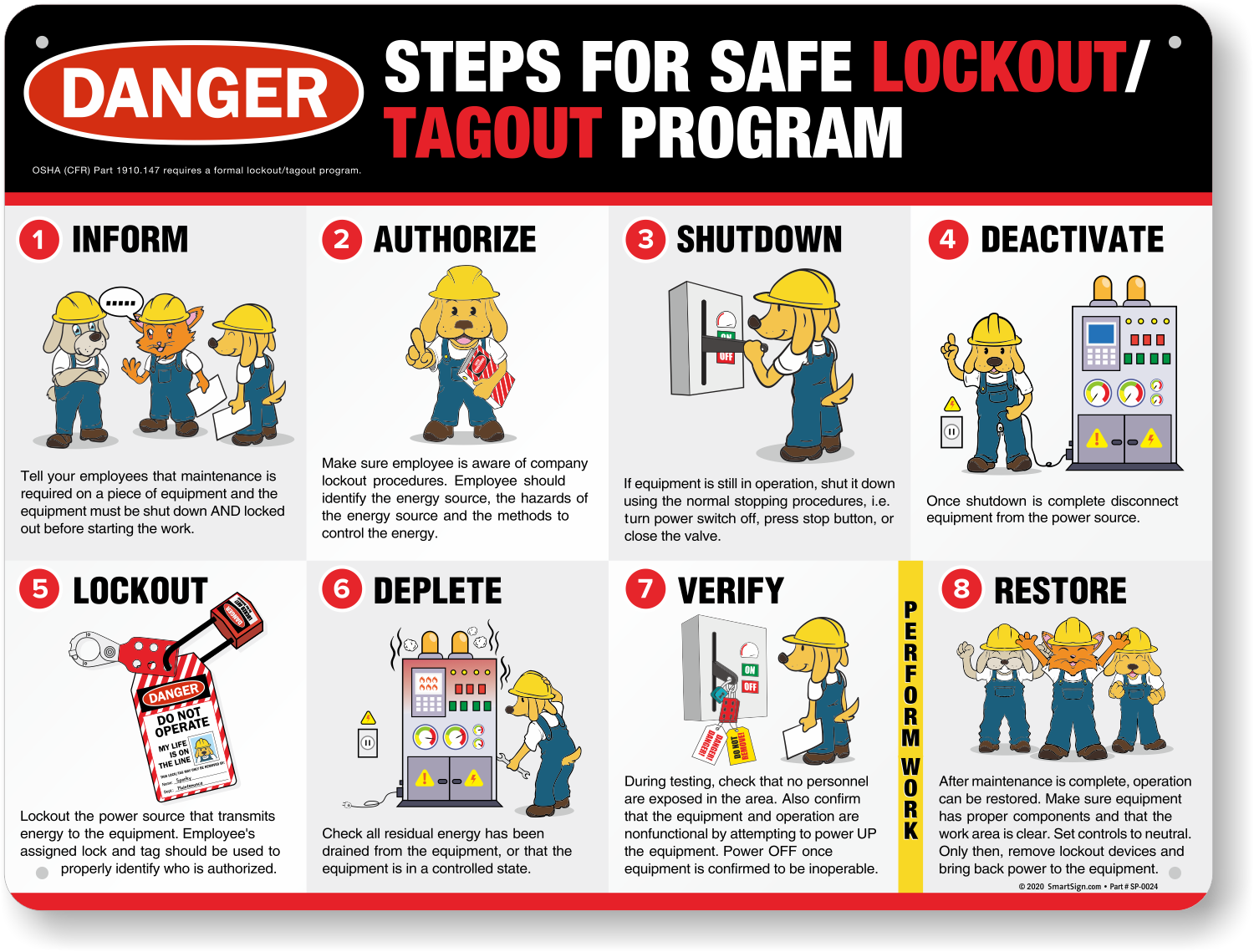
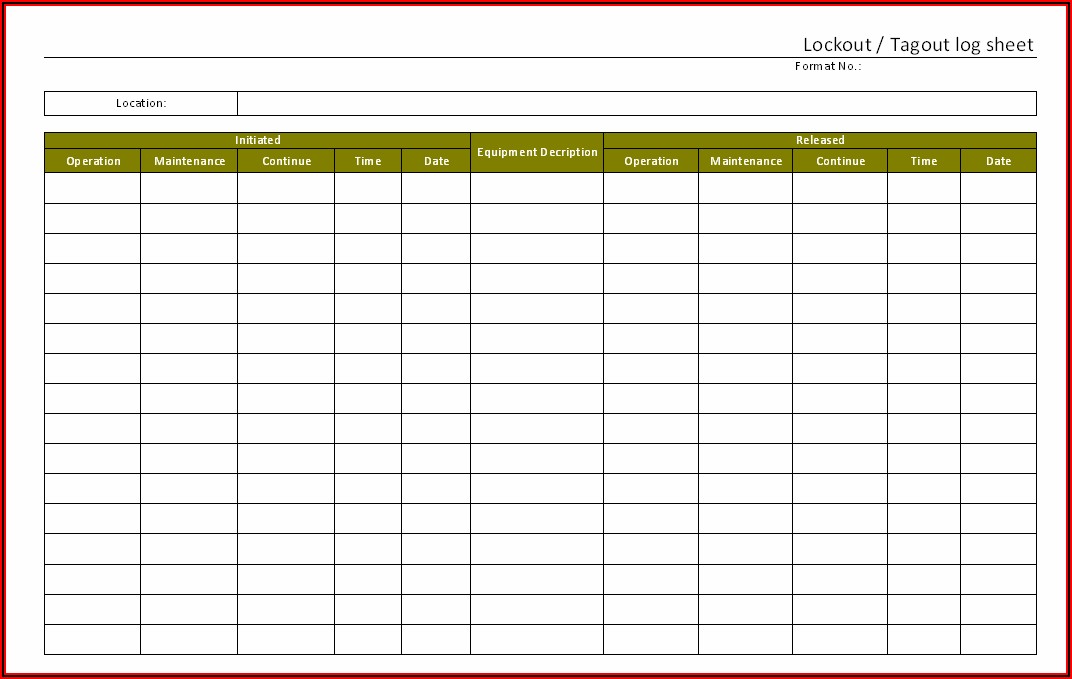
- Pair with Visual Aids: Tape a printed PDF page near relevant equipment (e.g., LOTO procedures by the breaker panel)
- Train Peer Leaders: Let experienced workers lead talks using the PDFs—increases buy-in
- Link to Incident Reports: If an injury occurs, revisit the related PDF and update it with lessons learned
One electrical contractor reduced arc flash incidents by 40% simply by revising their free PDF after each near-miss, adding real photos and direct quotes from crew members.
Get Started Today: Your Action Plan
- Don’t wait for the next incident to improve safety communication. Here’s what to do now:
- Download a free “Fall Protection” PDF from OSHA or SafetyCulture
- Customize it with your site’s anchor points and harness inspection routine
- Run the talk tomorrow morning—include a quick harness demo
- Collect sign-ins and file the document
- Repeat weekly with a new topic
Free toolbox talk topics PDFs aren’t just handouts—they’re tools for change. Use them right, and you’ll see fewer close calls, stronger compliance, and a crew that actually listens.
Frequently Asked Questions
Where can I download free toolbox talk topics in PDF format? Reputable sources include OSHA, National Safety Council, SafetyCulture, and provincial safety boards like WorkSafeBC.
Are free toolbox talk PDFs OSHA compliant? Many are based on OSHA standards, but always verify that content matches current regulations and your specific work environment.
Can I edit free PDF toolbox talks? Yes—most are meant to be customized. Add site details, photos, and crew-specific risks to increase relevance.
How often should toolbox talks be held? Weekly is ideal, especially before high-risk tasks. Use a rotating schedule of 10–15 core topics throughout the year.
Do toolbox talks need to be documented? Yes. Keep signed attendance sheets tied to the PDF used. This proves compliance during audits.
What makes a good toolbox talk topic? It should be specific, actionable, and relevant—like “Safe Use of Extension Cords” instead of a vague “General Safety.”
Can toolbox talks reduce workplace injuries? Yes. Regular, focused discussions improve hazard awareness and reinforce safe behaviors, leading to measurable incident reduction.
FAQ
What should you look for in Free Toolbox Talk Topics PDF: Practical Safety Guides? Focus on relevance, practical value, and how well the solution matches real user intent.
Is Free Toolbox Talk Topics PDF: Practical Safety Guides suitable for beginners? That depends on the workflow, but a clear step-by-step approach usually makes it easier to start.
How do you compare options around Free Toolbox Talk Topics PDF: Practical Safety Guides? Compare features, trust signals, limitations, pricing, and ease of implementation.
What mistakes should you avoid? Avoid generic choices, weak validation, and decisions based only on marketing claims.
What is the next best step? Shortlist the most relevant options, validate them quickly, and refine from real-world results.