Equipment failure doesn’t always come from wear and tear. Sometimes, it comes from a simple mistake—someone restarting a machine too soon. That’s where a lock out tag out sign becomes more than just a piece of plastic on a wall. It’s a final layer of communication, a last line of defense. In high-risk environments, from manufacturing floors to utility plants, these signs bridge the gap between procedure and protection.
A lock out tag out (LOTO) sign doesn’t lock machinery. It doesn’t attach to valves or circuit breakers. But it does something just as vital: it communicates. When workers see a LOTO sign, they know something is off-limits—energy sources are isolated, maintenance is underway, and restart is forbidden until cleared. Without that signal, confusion spreads. Accidents follow.
This article breaks down the real-world role of LOTO signs—how they differ from tags and locks, where they’re required, and how to implement them effectively without falling into common compliance traps.
Why Lock Out Tag Out Signs Matter More Than You Think
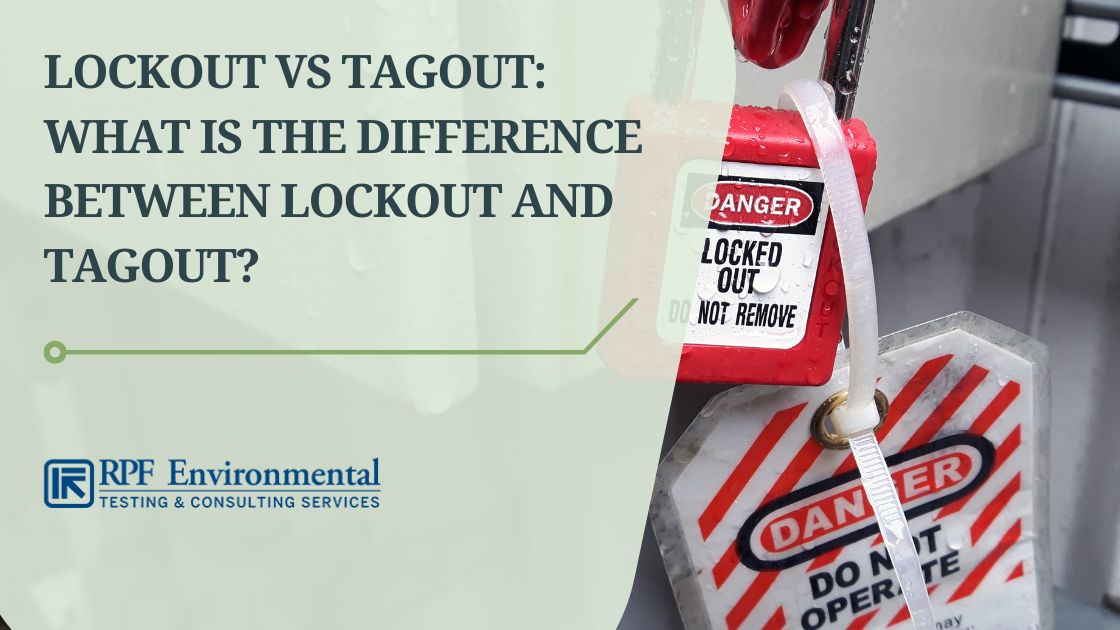
Locks physically prevent operation. Tags identify the person responsible and explain why a device is locked. But signs? They operate at a higher level: environmental reinforcement.
Consider a large facility with multiple maintenance teams. A technician locks out a conveyor motor on Line 3. The lock and tag apply to that specific energy-isolating device. But what about workers on the adjacent line who might not check every tag? A prominent LOTO sign near the entrance to the maintenance zone acts as a zone-wide alert.
These signs are especially crucial in shared or high-traffic areas: - Near breaker panels - At machine entrances - On access doors to confined spaces - In control rooms
They’re not just for compliance—they build a culture of awareness. Workers begin to treat LOTO signage like traffic lights: red means stop, no exceptions.
Locks, Tags, and Signs: Understanding the Hierarchy
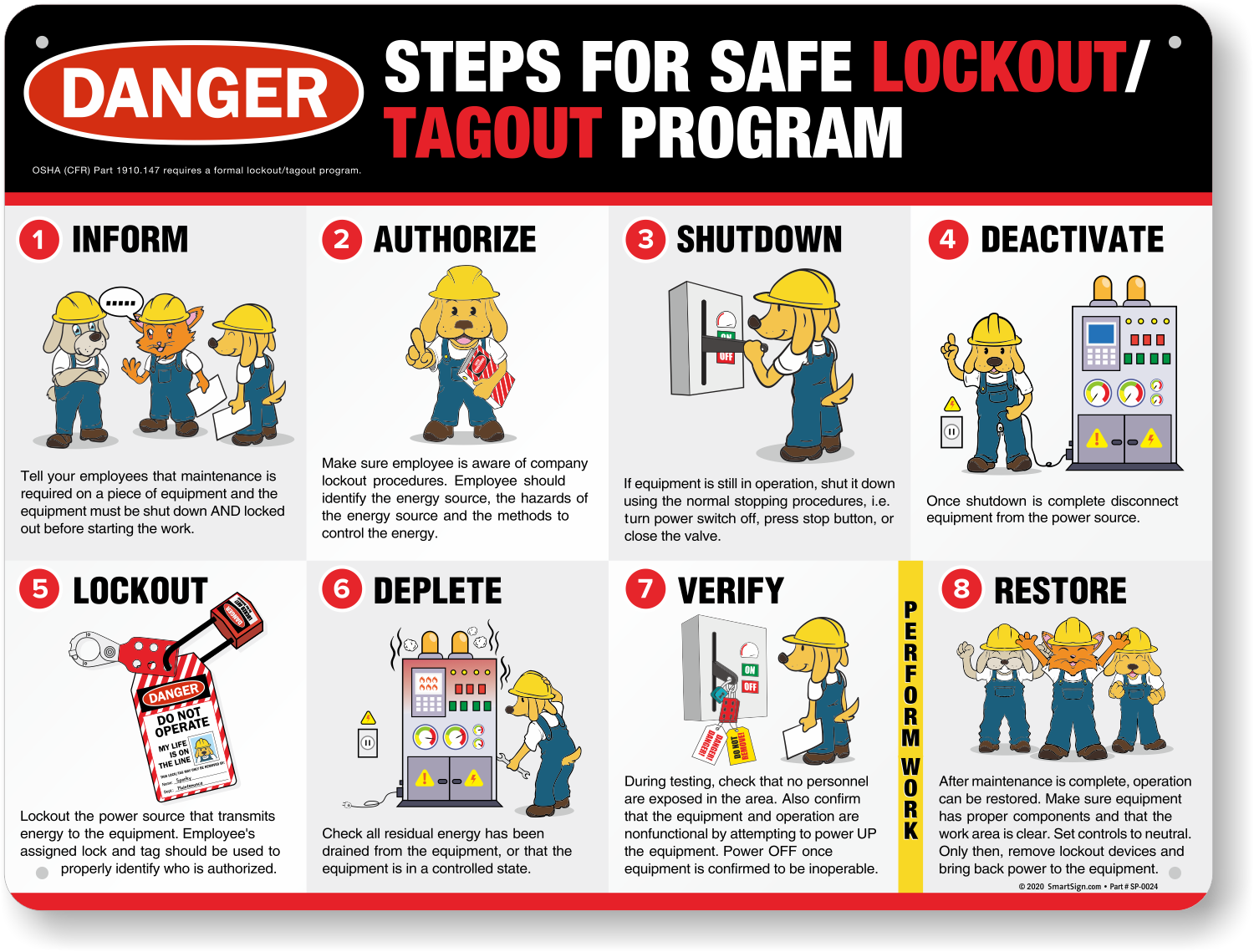
OSHA’s LOTO standard (29 CFR 1910.147) emphasizes a sequence: shut down, isolate, lock, tag, verify, and release. But the regulation doesn’t treat signs the same as locks or tags.
Here’s how they fit into the system:
| Component | Purpose | Regulatory Requirement? |
|---|---|---|
| Lock | Physically prevents energy re-energization | Yes – mandatory |
| Tag | Identifies authorized worker and reason | Yes – mandatory |
| Sign | Warns others about ongoing maintenance | No – but strongly advised |
While OSHA doesn’t require signs in every case, it does require effective communication. In complex or multi-person operations, signs are often the most practical way to meet that requirement.
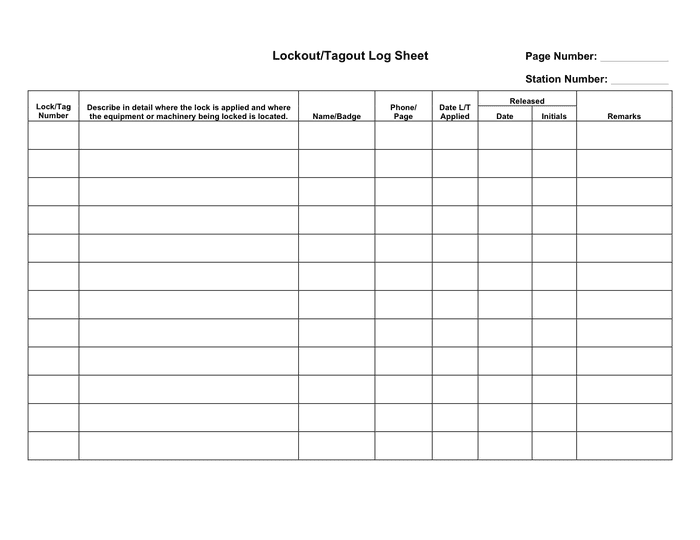
A common mistake? Treating the sign as a replacement for a tag. It’s not. A sign might say “Maintenance in Progress – Do Not Operate,” but without a tag listing the worker’s name, date, and equipment ID, you’re not in compliance.
Another error: placing signs too far from the hazard. A sign on the opposite side of the wall from the locked breaker defeats the purpose. Visibility is non-negotiable.
Real-World Scenarios Where LOTO Signs Prevent Disasters
#### Scenario 1: Shift Changeover in a Packaging Plant A night technician locks out a filler machine to replace a jammed auger. The lock and tag are in place. But the day crew arrives early, and a supervisor unfamiliar with the maintenance attempts to restart the line. A LOTO zone sign mounted above the control panel stops them. “Energy Isolation in Progress – Contact Maintenance.” The supervisor calls the technician instead.
Lesson: Signs serve as shift-to-shift continuity.
#### Scenario 2: Contractor Work in a Chemical Facility A third-party electrician works on a pump motor. The plant’s LOTO procedure requires both a personal lock and a warning sign placed at the main control station. Without the sign, the internal team might assume the system is operational and initiate a remote start.
Lesson: Signs protect against external knowledge gaps.
#### Scenario 3: Multi-Energy Source Equipment A CNC machine uses electrical, pneumatic, and hydraulic power. Each energy source is locked and tagged. A composite LOTO sign near the operator panel lists all three isolations and includes a checklist for verification. This prevents partial lockout—a frequent root cause in near-misses.
Lesson: Signs can enhance procedural clarity.
Designing Effective Lock Out Tag Out Signs
Not all signs are created equal. A poorly designed LOTO sign is ignored. A well-designed one demands attention.
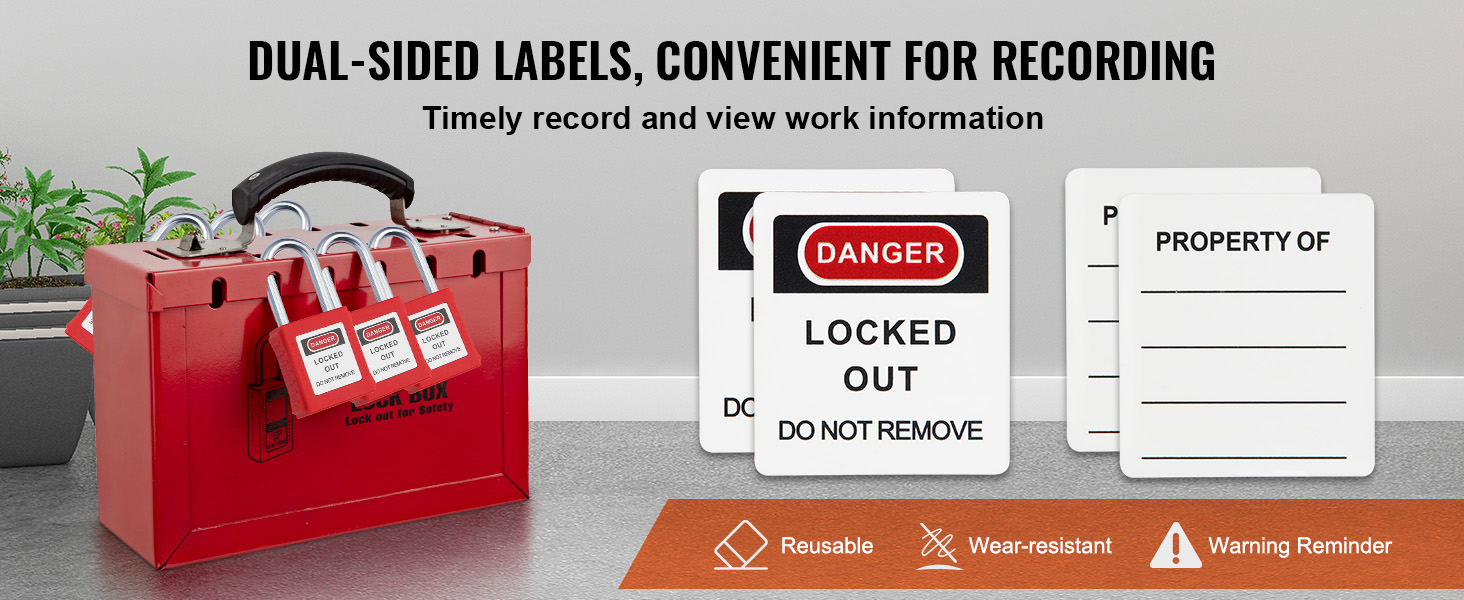
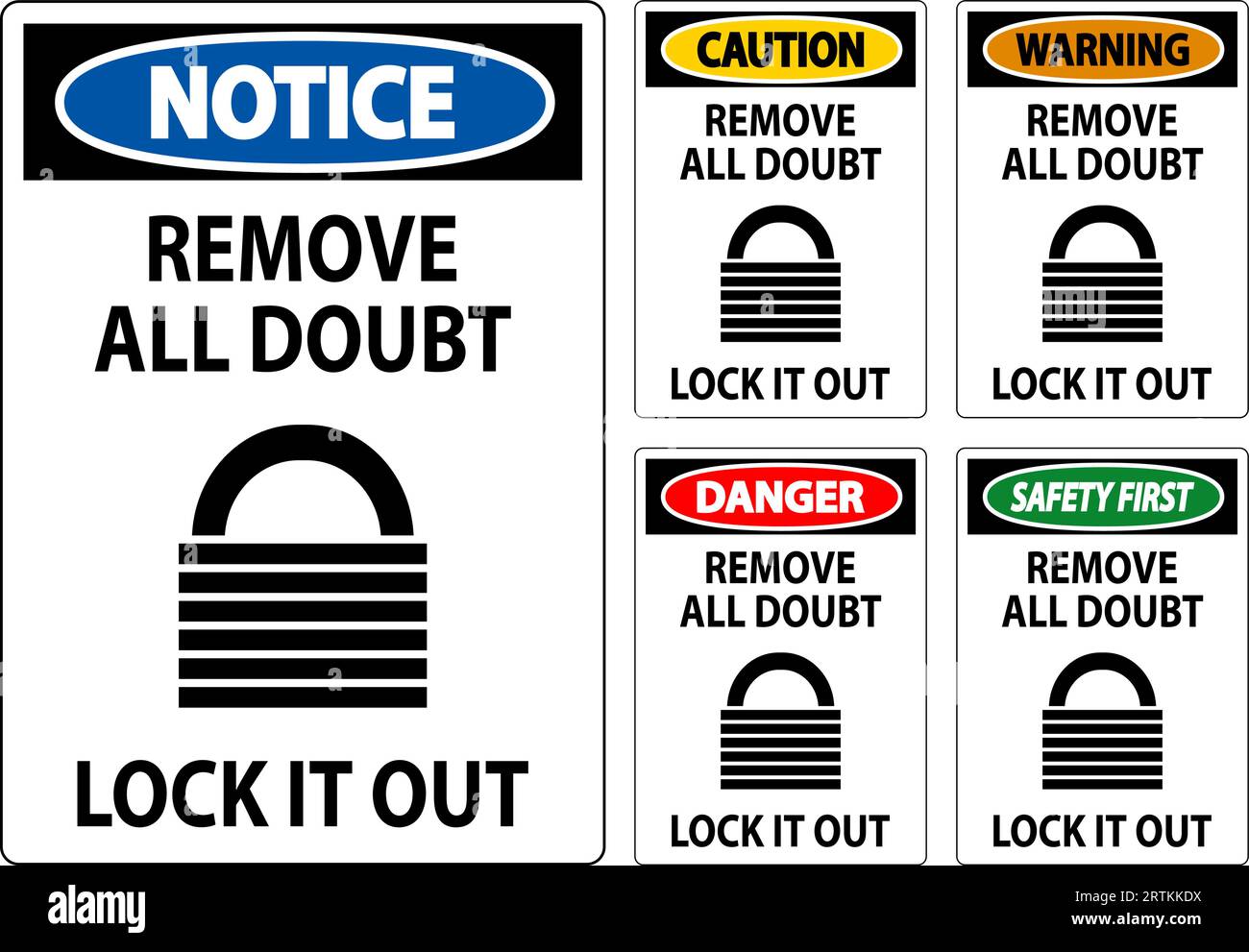
#### Key Design Elements: - Color: Use high-contrast schemes. Red/black for danger, yellow/black for caution. - Text: Clear, concise, action-oriented. “DO NOT OPERATE” is better than “Maintenance Happening.” - Symbols: Include universal ISO safety icons (e.g., hand with a lock, warning triangle). - Durability: Choose materials resistant to chemicals, moisture, and abrasion. - Placement: At eye level, within direct line of sight of controls.
#### Common Sign Types: - Danger – Do Not Operate – For active lockouts. - Caution – Equipment Under Maintenance – For lower-risk isolation. - LOTO Procedure Reminder – Step-by-step guide near complex machinery. - Lockout Station Signs – Mark centralized lock storage or group lockout boards.
Avoid vague language like “Be Careful” or “Authorized Personnel Only.” These dilute urgency. OSHA’s Hazard Communication Standard pushes for specific, actionable warnings.
Where to Install Lock Out Tag Out Signs: A Practical Guide
Placement determines effectiveness. A sign only works if it’s seen before a mistake happens.
- #### Critical Locations:
- At the Energy Isolating Device – Beside the breaker, valve, or disconnect switch.
- On Machine Control Panels – Where operators initiate cycles.
- Near Access Points – To confined spaces or hazardous zones.
- On Lockout Stations – Where locks, tags, and sign kits are stored.
- In Control Rooms – Remote monitoring areas that can trigger equipment.
#### Pro Tip: Layered Signage Use a zonal approach. Start with a large sign at the entrance to a maintenance area, then place smaller, specific signs at each isolation point. This creates redundancy—if one is missed, another catches attention.
Also, consider lighting. In dim environments, photoluminescent or backlit signs ensure visibility during power outages or night shifts.
Top 5 LOTO Sign Solutions for Industrial Use

Not all signs are generic. The right choice depends on environment, regulation, and workflow.
| Product Name | Key Features | Best For | Material | Compliance Ready? |
|---|---|---|---|---|
| Brady BMP61 Durable Labels | Thermal transfer printing, chemical resistant | High-volume custom tagging | Polyester | Yes – OSHA, ANSI |
| Grainger Safety Sign 2ZHK1 | Pre-printed “Danger – Do Not Operate” | Quick deployment, standard uses | Aluminum | Yes |
| Seton LOTO Zone Kit | Includes signs, tags, locks, and storage | Complete LOTO station setup | Mixed materials | Yes |
| Norton LOTO Sign System | Magnetic, reusable signs for temporary zones | Dynamic environments, rentals | PVC with magnet | Partial |
| Smithco Custom Sign Panels | Fully customizable text/icons, weatherproof | Unique machinery or processes | Acrylic/Aluminum | Yes |
Insight: Pre-printed signs work for standard procedures. But for complex systems, custom signs with equipment-specific warnings reduce ambiguity.
Common Mistakes That Undermine LOTO Sign Effectiveness
Even compliant facilities make mistakes that turn signs into wallpaper.
#### 1. Overuse Posting “Do Not Operate” signs on every machine, even when not under maintenance, causes alert fatigue. Workers begin to ignore them.
Fix: Use temporary signs during active LOTO only. Permanent signs should be reserved for procedural reminders.
#### 2. Poor Visibility A sign behind a pipe or at knee level won’t stop an accidental restart.
Fix: Conduct a “sightline audit” during maintenance simulations.
#### 3. Lack of Language Clarity In multilingual workplaces, English-only signs fail.
Fix: Use symbols first, add bilingual text if needed.
#### 4. No Integration with Procedure Signs should be part of the LOTO checklist, not an afterthought.
Fix: Add “Install warning sign” as Step 5 in your LOTO SOP.
#### 5. Using Paper or Tape Flimsy materials get damaged or removed.
Fix: Invest in durable, fixed-mount or magnetic signs.
Integrating LOTO Signs into Your Safety Workflow
A sign isn’t a standalone fix. It’s part of a system.
Step 1: Train workers to treat every LOTO sign as a stop command—just like a lock.
Step 2: Include sign installation in your LOTO authorization training. Only authorized employees should place or remove them.
Step 3: Audit sign usage during periodic inspections. Are they present? Legible? Correctly placed?
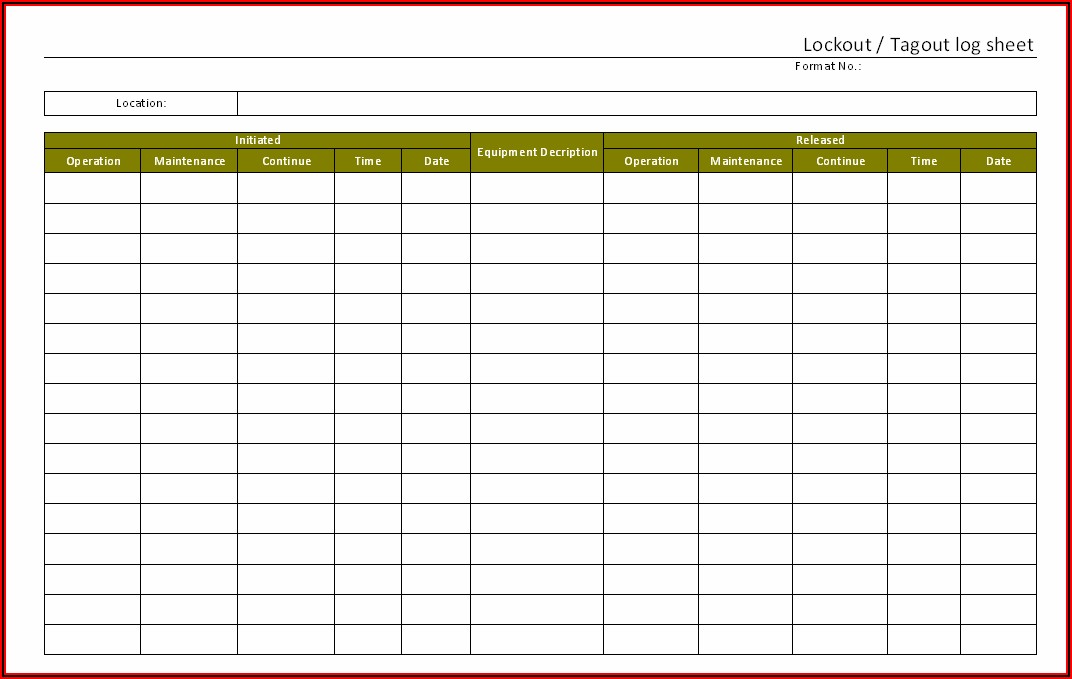
Step 4: Use digital tools. Some facilities now use QR-coded signs that link to the active LOTO log, showing who locked out, when, and why.
Step 5: Review incidents. If a near-miss involved a missing or ignored sign, update placement and training.
Final Word: Signs Are Silent, But
They Should Scream Safety
A lock out tag out sign doesn’t move. It doesn’t beep or flash. But in the right place, with the right message, it speaks louder than alarms.
It tells a relief worker: Don’t touch this. It warns a supervisor: Something’s not ready. It confirms to a technician: You’re not alone in this process.
Compliance starts with locks and tags. But safety culture is built on signs—on the constant, visible reminder that some risks can’t be taken, and some rules can’t be bent.
Install them. Train for them. Audit them. And never assume they’re just decoration.
FAQ
What should you look for in Lock Out Tag Out Sign: The Silent Guardian of Workplace Safety? Focus on relevance, practical value, and how well the solution matches real user intent.
Is Lock Out Tag Out Sign: The Silent Guardian of Workplace Safety suitable for beginners? That depends on the workflow, but a clear step-by-step approach usually makes it easier to start.
How do you compare options around Lock Out Tag Out Sign: The Silent Guardian of Workplace Safety? Compare features, trust signals, limitations, pricing, and ease of implementation.
What mistakes should you avoid? Avoid generic choices, weak validation, and decisions based only on marketing claims.
What is the next best step? Shortlist the most relevant options, validate them quickly, and refine from real-world results.