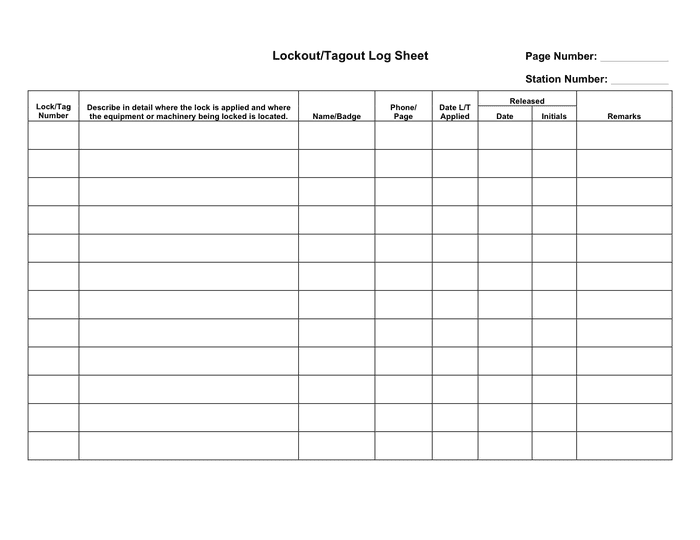
Every year, hundreds of preventable workplace injuries stem from uncontrolled hazardous energy. Workers servicing machinery are at risk when procedures aren’t standardized—especially when energy sources aren’t properly isolated. The lockout tagout procedure PDF isn’t just documentation—it’s a lifeline. It transforms abstract safety policies into actionable, auditable steps that protect teams and satisfy regulatory demands.
A well-designed LOTO procedure PDF does more than outline steps. It serves as a training tool, reference guide, and legal safeguard. But too many companies rely on generic templates that don’t reflect their actual equipment or workflows. The result? Complacency, incomplete lockouts, and exposure to serious harm.
This guide breaks down what makes an effective lockout tagout procedure PDF, how to build one that reflects real-world conditions, and where to access reliable templates that can be customized—not just downloaded and forgotten.
Why a Standardized LOTO Procedure PDF Matters
A lockout tagout procedure PDF standardizes how energy control is applied across a facility. Without it, workers may interpret safety rules inconsistently, leading to gaps in protection.
OSHA’s 29 CFR 1910.147 mandates that employers establish written energy control procedures for machines or equipment that pose a risk during servicing. That means a PDF (or physical document) isn’t optional—it’s required.
But compliance is just the baseline. The real value lies in clarity. A strong LOTO PDF: - Identifies every energy source (electrical, hydraulic, pneumatic, chemical, thermal, etc.) - Lists specific lockout points - Specifies required tools and devices - Assigns clear roles and responsibilities - Includes verification steps
For example, a maintenance technician working on a conveyor system should be able to open the LOTO PDF, follow numbered steps, isolate all energy sources, and confirm zero energy—all without guessing or asking for help.
Without this, even experienced workers make mistakes. A 2022 incident at a Midwest packaging plant occurred because the LOTO procedure was verbal only. A technician assumed a hydraulic valve was closed when it wasn’t—resulting in a crushing injury. A documented, accessible PDF could have prevented it.
Key Components of an Effective LOTO Procedure PDF
A usable lockout tagout procedure PDF isn’t a wall of text. It’s structured for speed, accuracy, and accountability. Here’s what must be included:
1. Equipment Identification Clearly state the machine name, model, location, and identifier (e.g., “Conveyor Line 3 – Fill Station A”). This avoids confusion in facilities with multiple similar units.
2. Energy Source Inventory List every form of hazardous energy the equipment uses: - Electrical (main disconnect, control circuits) - Hydraulic (reservoirs, lines) - Pneumatic (air lines, accumulators) - Mechanical (springs, gravity-fed systems) - Thermal (heated surfaces, steam)
For each, specify isolation methods—such as circuit breakers, block valves, or bleed screws.
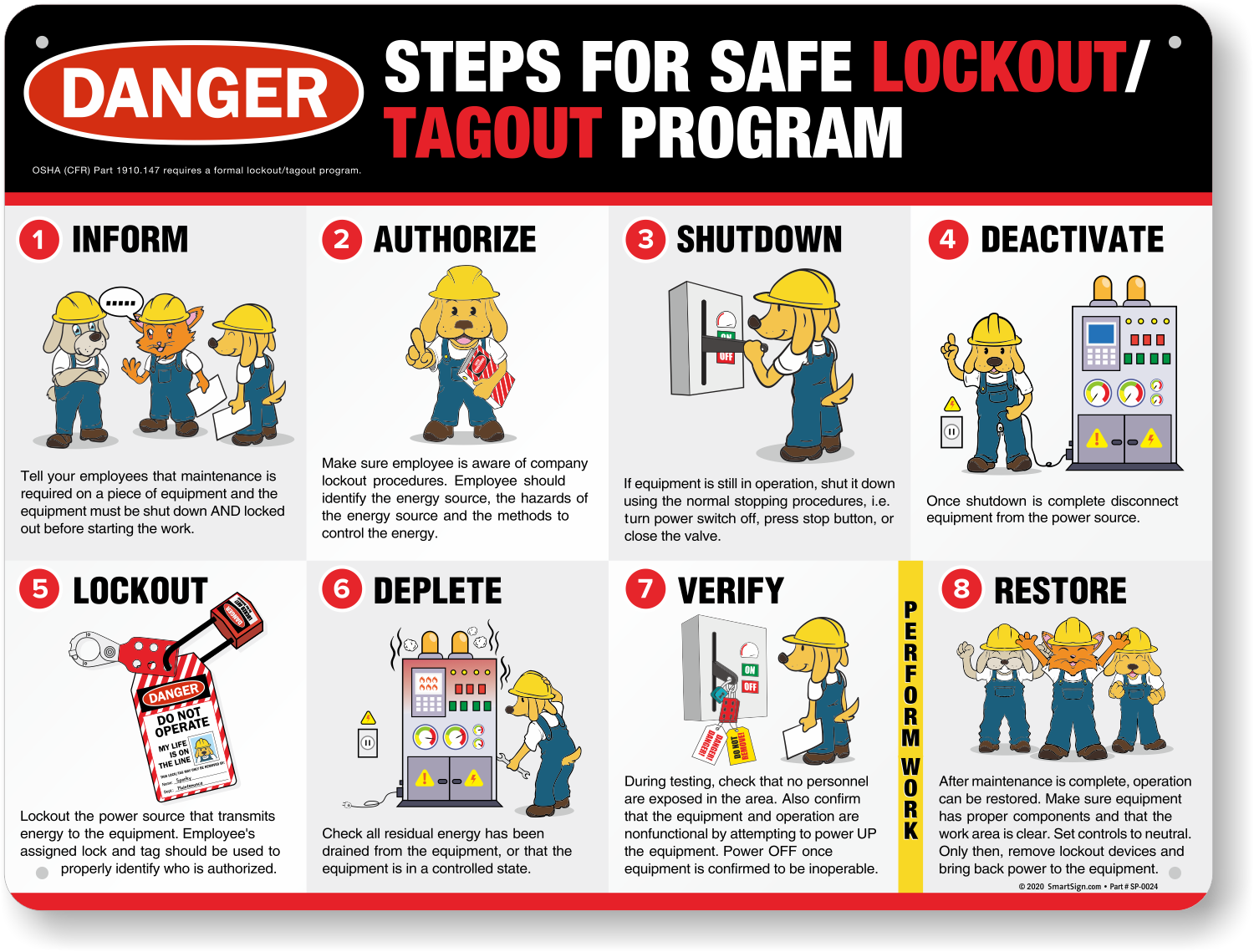
3. Step-by-Step Shutdown and Isolation Break down the process:
- Notify affected personnel
- Shut down equipment using normal controls
- Isolate all energy sources
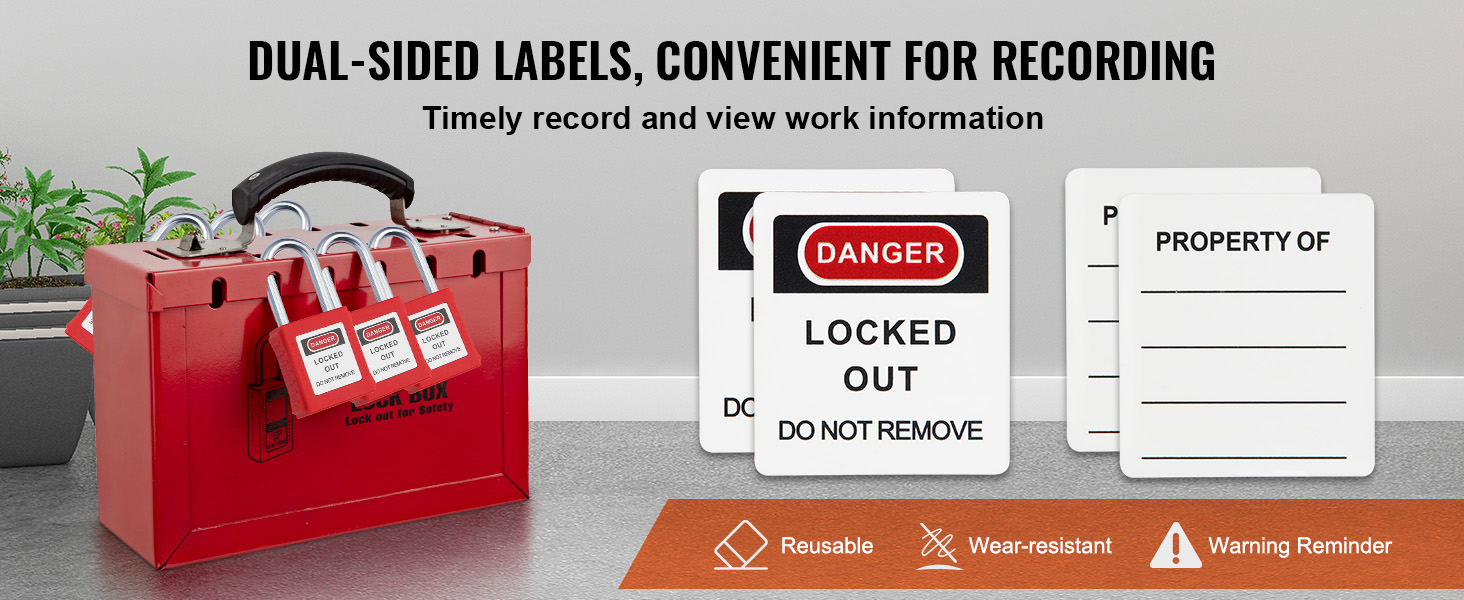
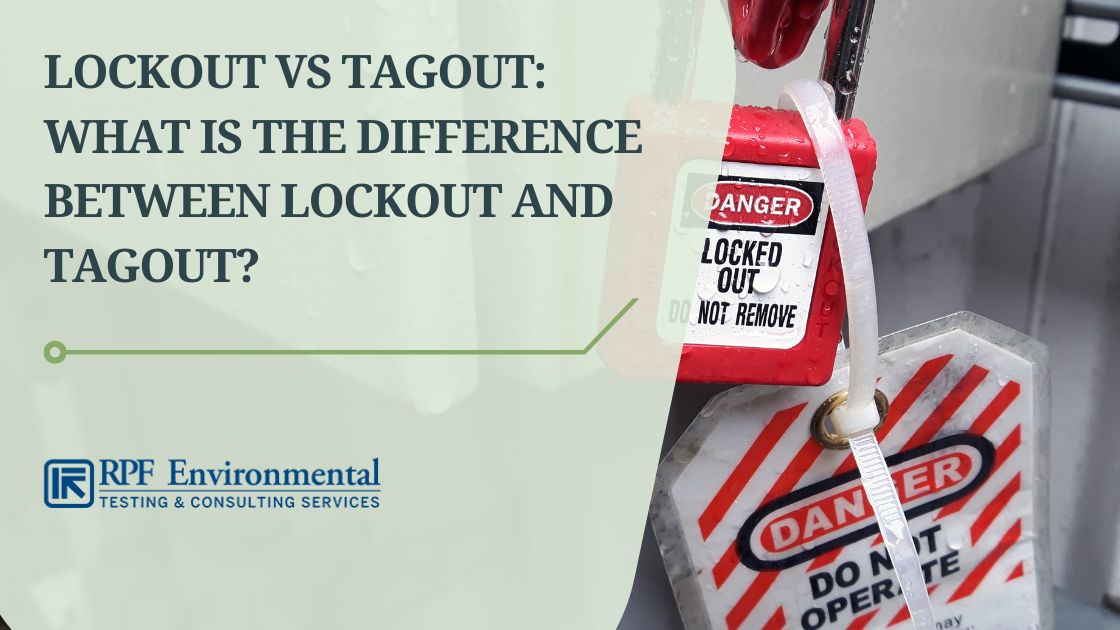
- Apply lockout devices (locks, hasps) and tags
- Release stored energy (bleed lines, block moving parts)
- Verify zero energy state (test start buttons, pressure gauges)
This sequence must mirror actual operations. A common flaw in templates is skipping verification—a critical step OSHA cites in over 30% of LOTO violations.
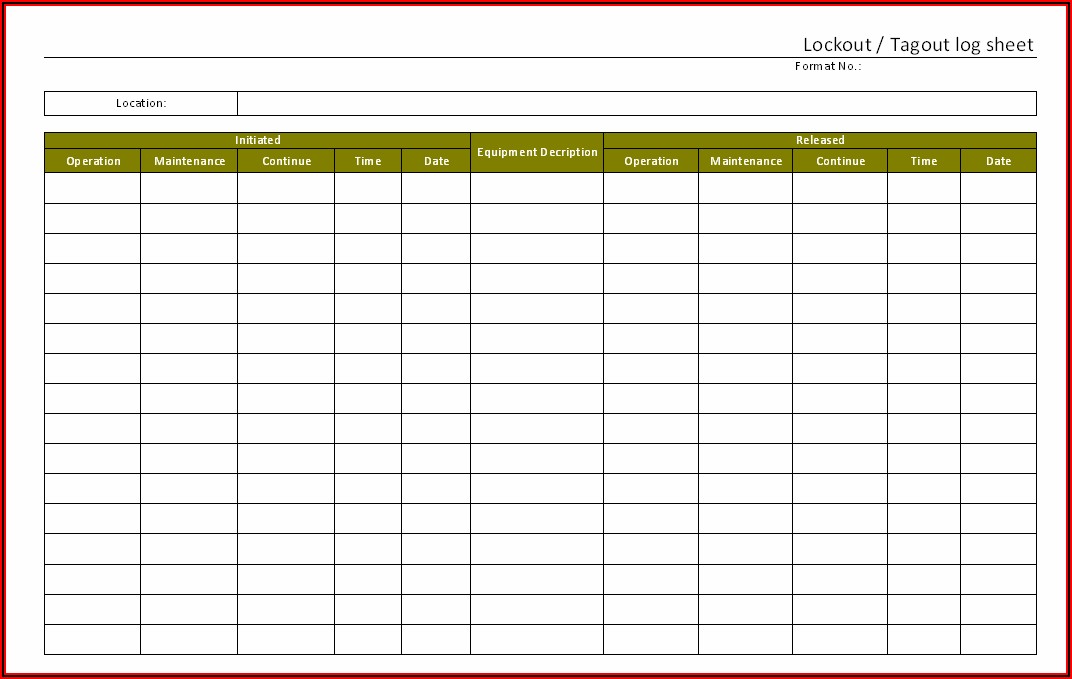
4. Authorized Personnel Section Designate who is trained and permitted to perform the lockout. Include space for name, employee ID, and lock number.
5. Restoration Steps Just as important: how to safely return the equipment to service. This includes: - Confirming machine is clear of tools and personnel - Removing locks and tags only by the original installer - Re-energizing in reverse order - Notifying coworkers before restart
Common Mistakes in LOTO PDFs That Undermine Safety
Even with a PDF in place, many companies fall into traps that compromise safety:
Using One Template for All Machines A boiler and a CNC machine have vastly different energy profiles. A boiler requires steam valve isolation and pressure relief; a CNC machine may have servo drives and robotic arms. A generic PDF won’t capture these nuances.
Fix: Customize each procedure. Use photos, diagrams, and machine-specific lock locations.
Vague Language Phrases like “isolate power source” or “lock out main supply” leave room for interpretation. Is the main supply the breaker? The disconnect switch? The control panel?
Fix: Be explicit. “Turn off Circuit Breaker CB-7 at Panel P2 and apply lockout device LK-12.”
Ignoring Stored Energy
Many LOTO PDFs focus only on primary energy sources. But stored energy—like a pressurized air line or a raised platform held by hydraulics—can be just as deadly.
Fix: Add a dedicated section: “Release and verify dissipation of stored energy at Accumulator A1 and Cylinder C3.”
No Visual Aids Text-only documents are hard to follow under pressure. A technician in a noisy plant might miss a step.
Fix: Embed labeled diagrams, photos of lock points, or QR codes linking to video demos.
How to Create a Custom Lockout Tagout Procedure PDF
You don’t need to start from scratch—but you can’t rely solely on free downloads. Here’s how to build a practical, compliant PDF:
Step 1: Conduct a Machine Risk Assessment Walk through each piece of equipment with maintenance and safety teams. Document: - All energy sources - Isolation points (valves, breakers, disconnects) - Stored energy risks - Normal and emergency shutdown methods
Step 2: Draft the Procedure Use a consistent format. Include:
- Header with equipment ID
- List of required PPE and tools
- Sequential steps with check boxes
- Diagrams or photos
Step 3: Field Test the Procedure Have an authorized employee follow the draft PDF during a real shutdown. Note any confusion, missing steps, or inefficiencies.
Step 4: Review and Approve Get sign-off from safety officers and engineering. Store the final version in an accessible location—both digital (shared drive, intranet) and printed near the machine.
Step 5: Update Regularly If the machine is modified, the LOTO PDF must be revised. Set annual reviews as a default.
Where to Find Reliable Lockout Tagout Procedure PDF Templates
While customization is essential, starting with a solid template saves time. Here are five credible sources for LOTO PDFs:
| Source | Features | Best For |
|---|---|---|
| OSHA.gov | Free, compliant with 1910.147, plain language | Basic frameworks, regulatory alignment |
| Grainger | Downloadable PDFs with diagrams, equipment-specific | Industrial facilities using common machinery |
| SafetySkills | Editable templates with training modules | Companies needing training integration |
| Creative Safety Supply | Visual-heavy PDFs with color coding | Facilities prioritizing clarity and speed |
| NIOSH / CDC Resources | Research-backed, hazard-specific guidance | High-risk environments (chemical, heavy manufacturing) |
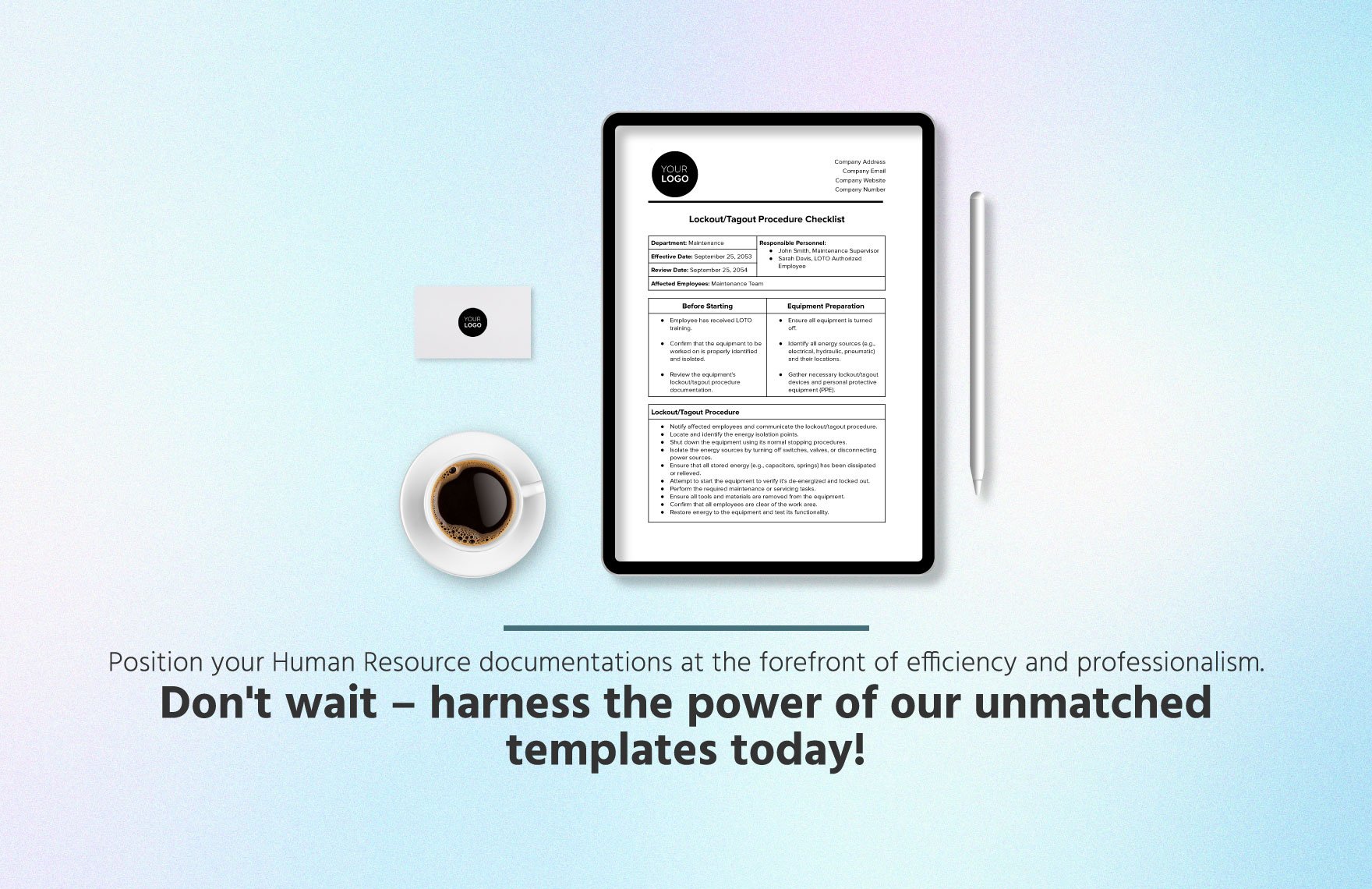
Note: Never use a template without adapting it. Even OSHA’s sample procedures require modification to match your equipment.
Integrating LOTO PDFs into Daily Workflows
A PDF on a server does nothing if workers can’t access it when needed. Integrate it into operations:
- Print and Post: Laminate key pages and mount near control panels.
- Mobile Access: Upload to tablets or phones used by maintenance crews.
- Training Use: Walk through the PDF during LOTO training sessions.
- Audit Tool: Use the document during safety inspections to verify compliance.
One automotive plant reduced LOTO errors by 68% simply by adding QR codes on machines that linked directly to the PDF. Technicians scanned the code, pulled up the procedure, and followed it in real time.
Digital vs. Paper LOTO Procedures: What Works Best?
While paper PDFs are acceptable, digital systems offer advantages: - Version control (no outdated printouts) - Integration with CMMS (Computerized Maintenance Management Systems) - Audit trails and electronic sign-offs - Remote updates
However, paper remains vital in environments where electronics are restricted or unreliable.
Best practice: Use both. Store the master in digital format with revision history, and maintain printed copies at point-of-use. Ensure both are synchronized.
Final Checklist: Is Your LOTO Procedure PDF Effective?
Use this to audit your current documents:
✅ Specific to individual machines ✅ Lists all energy sources and isolation points ✅ Includes step-by-step shutdown and startup ✅ Has clear verification steps ✅ Uses simple language and visuals ✅ Signed and dated by safety authority ✅ Accessible to authorized personnel ✅ Reviewed and updated annually
If your PDF misses any of these, it’s not just a documentation gap—it’s a safety risk.
A lockout tagout procedure PDF is more than a compliance artifact. It’s a frontline defense against catastrophic incidents. The best versions are precise, practical, and built for real workers in real conditions. Don’t settle for a generic download. Customize, test, and maintain your procedures so they’re not just filed away—but followed every single time.
Start today: pull one LOTO PDF, walk through it at the machine, and verify every step works. That’s how safety becomes culture.
FAQ
What should a lockout tagout procedure PDF include? It must list equipment details, energy sources, shutdown steps, lockout points, verification methods, and restoration procedures—all specific to the machine.
Are digital LOTO PDFs OSHA-compliant? Yes, as long as they’re accessible to authorized employees during servicing and cannot be altered without authorization.
Can I use a free LOTO template from the internet? Only as a starting point. It must be customized to your equipment, energy sources, and workplace layout.
Who is responsible for creating LOTO procedure PDFs? The employer, typically with input from safety officers, maintenance leads, and equipment operators.
How often should LOTO procedures be updated? Annually, or immediately after equipment modifications, incidents, or changes in energy systems.
Do all machines need a LOTO PDF? Any machine with hazardous energy that requires servicing or maintenance must have a written procedure.
Can a LOTO PDF be in a language other than English? Yes, if the workers performing the lockout are not fluent in English. OSHA requires procedures to be in a language understood by all affected employees.
FAQ
What should you look for in Lockout Tagout Procedure PDF Guide for Workplace Safety? Focus on relevance, practical value, and how well the solution matches real user intent.
Is Lockout Tagout Procedure PDF Guide for Workplace Safety suitable for beginners? That depends on the workflow, but a clear step-by-step approach usually makes it easier to start.
How do you compare options around Lockout Tagout Procedure PDF Guide for Workplace Safety? Compare features, trust signals, limitations, pricing, and ease of implementation.
What mistakes should you avoid? Avoid generic choices, weak validation, and decisions based only on marketing claims.
What is the next best step? Shortlist the most relevant options, validate them quickly, and refine from real-world results.