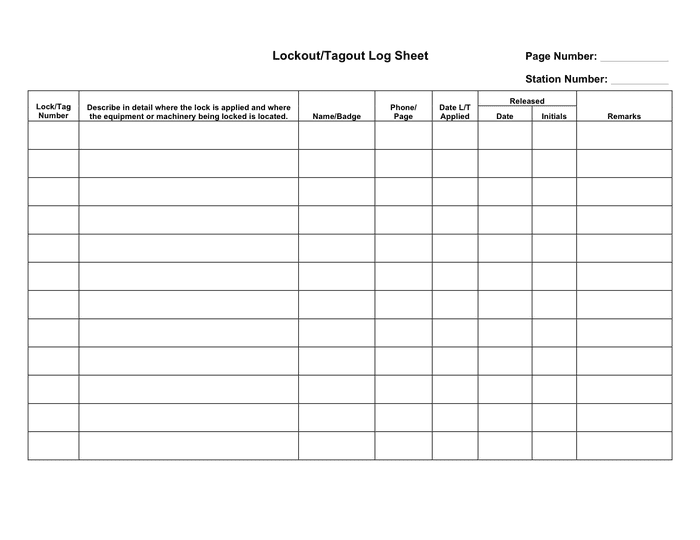
In complex industrial environments, a single lock rarely guarantees safety during maintenance. When multiple technicians work on the same machine, each must apply their own lockout device—creating a multi-lock control system. Lockout tagout multiple locks procedures are not just best practice; they’re mandated by OSHA to prevent accidental energization and protect workers. Yet, missteps in execution remain a leading cause of preventable injuries.
The core idea is simple: every person working on a piece of equipment applies their personal lock and tag. The machine stays de-energized until every lock is removed—by the individual who applied it. But simplicity in theory doesn’t always translate to smooth execution. Real-world challenges like shift changes, unclear accountability, or inadequate training turn multi-lock systems into liability traps.
This article breaks down how lockout tagout multiple locks protocols function, where they fail, and how to implement them effectively across industrial settings.
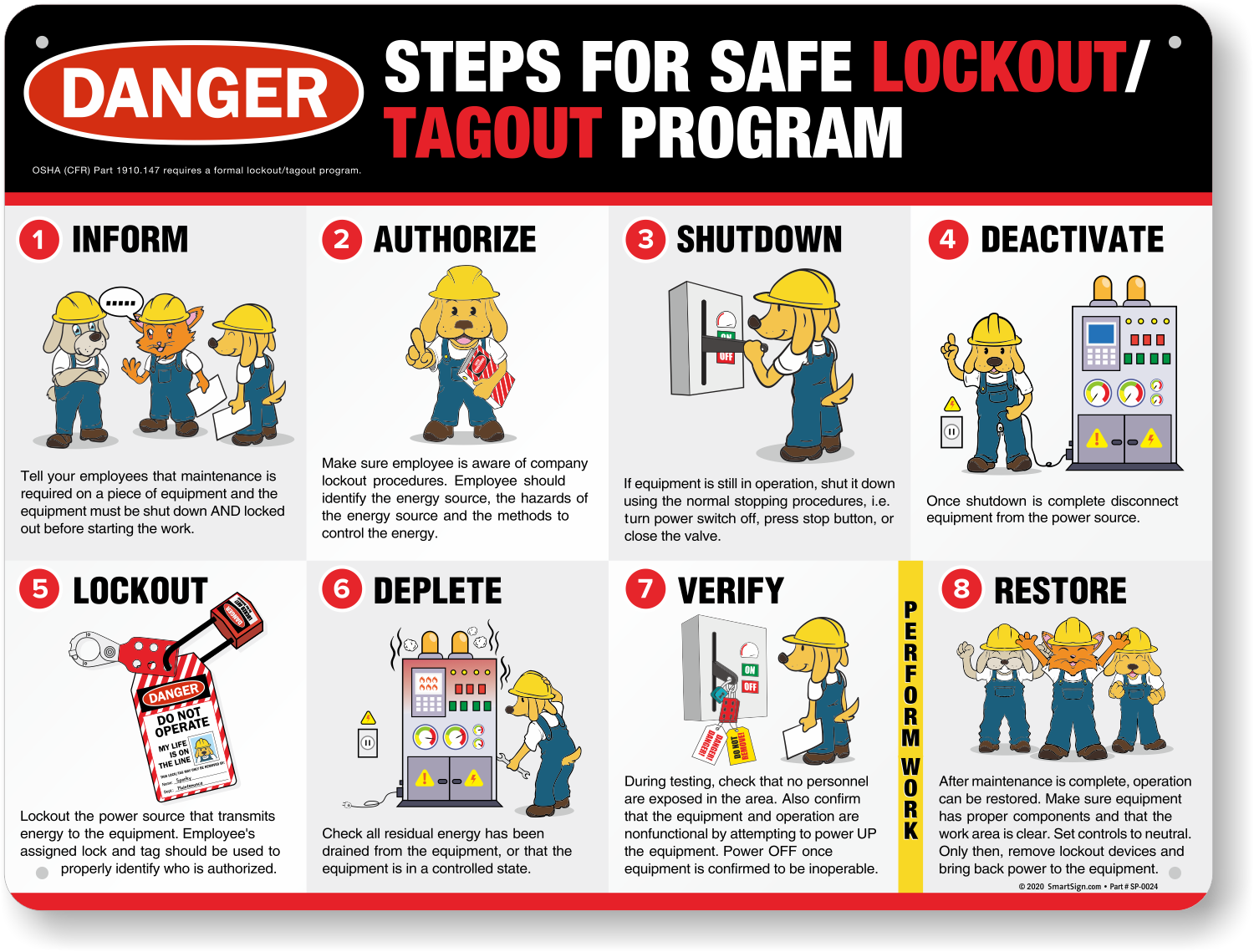
The Mechanics of Multiple Lock Applications When energy-isolating devices—like circuit breakers, valves, or disconnect switches—require servicing, a formal lockout procedure begins. In a multiple-lock scenario, the process evolves from individual to group-based control.
Step-by-Step Workflow
- Preparation: Authorized employees identify all energy sources powering the equipment.
- Shutdown: The machine is turned off using normal stopping procedures.
- Isolation: All energy-isolating devices are physically disconnected or closed.
- Application of Locks and Tags: Each worker applies their personal lock and tag to every energy point.
- Verification: The team confirms zero energy state through testing.
- Maintenance or Servicing: Work proceeds only after verification.
- Removal: Each worker removes only their own lock. No one else may remove it.
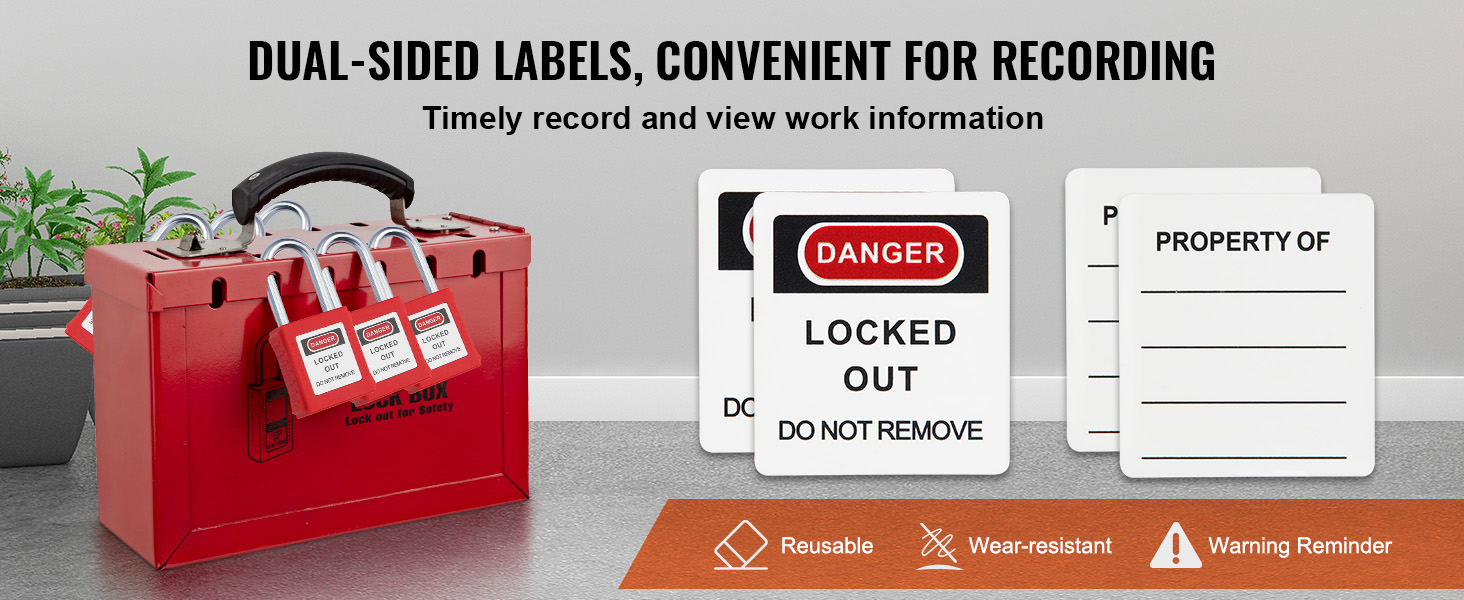
In multi-lock systems, group lockout boxes or hasp assemblies are often used. A hasp allows multiple locks to be attached to a single isolation point. Similarly, a group lockbox holds individual locks until all work is complete and each technician verifies safety.
Real-World Use Case: Conveyor System Maintenance
Imagine a packaging line where three technicians—mechanical, electrical, and hydraulics—are diagnosing a fault. The conveyor system draws power from electrical feeds, pneumatic lines, and hydraulic pumps. Each technician must lock out their respective energy source with their own padlock.
Even after one worker finishes, the system remains locked until all three confirm completion. This prevents premature restarts and ensures full team accountability.
Common Failures in Multi-Lock LOTO Systems
Despite clear standards, violations and near-misses persist. The following represent the most frequent breakdowns:
1. Shared Locks or Keys
Using master keys or allowing supervisors to remove a worker’s lock violates OSHA 1910.147. Each lock must be individually owned and removed only by its user. Workplaces that issue "universal" keys undermine the entire system.
Example: A mechanic goes on break, and a supervisor removes his lock to meet production deadlines. The machine powers on—trapping the worker’s hand in a coupling. This scenario is avoidable with strict personal lock policies.
2. Inadequate Communication During Shift Changes
When maintenance spans shifts,交接 (shift handover) procedures must include lockout continuity. A night technician cannot inherit a lock from a day worker unless a formal transfer-of-control procedure is in place—and even then, locks should remain on-site.
3. Missing Energy Sources
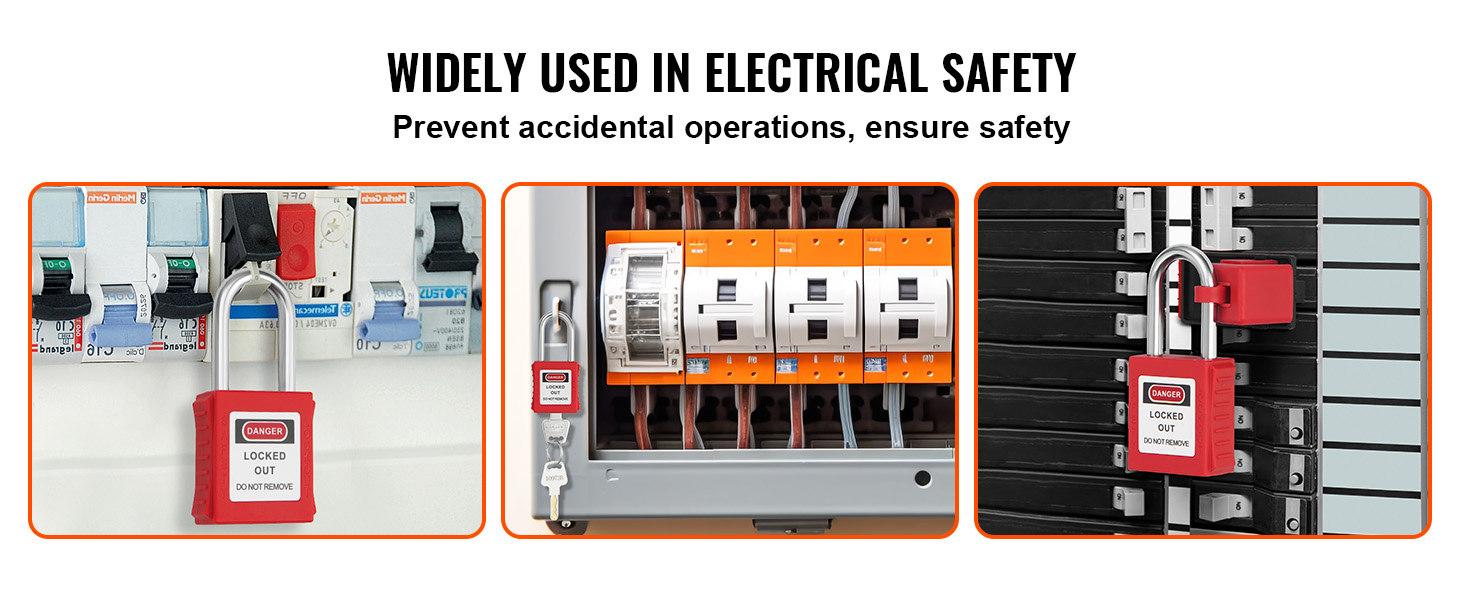
Complex systems have hidden energy risks. Hydraulic accumulators, stored mechanical energy, or capacitor banks can discharge unexpectedly. A multi-lock system only works if all sources are isolated.
Tip: Conduct periodic energy source audits. Label every isolation point and update lockout diagrams annually.
4. Overreliance on Tags Alone
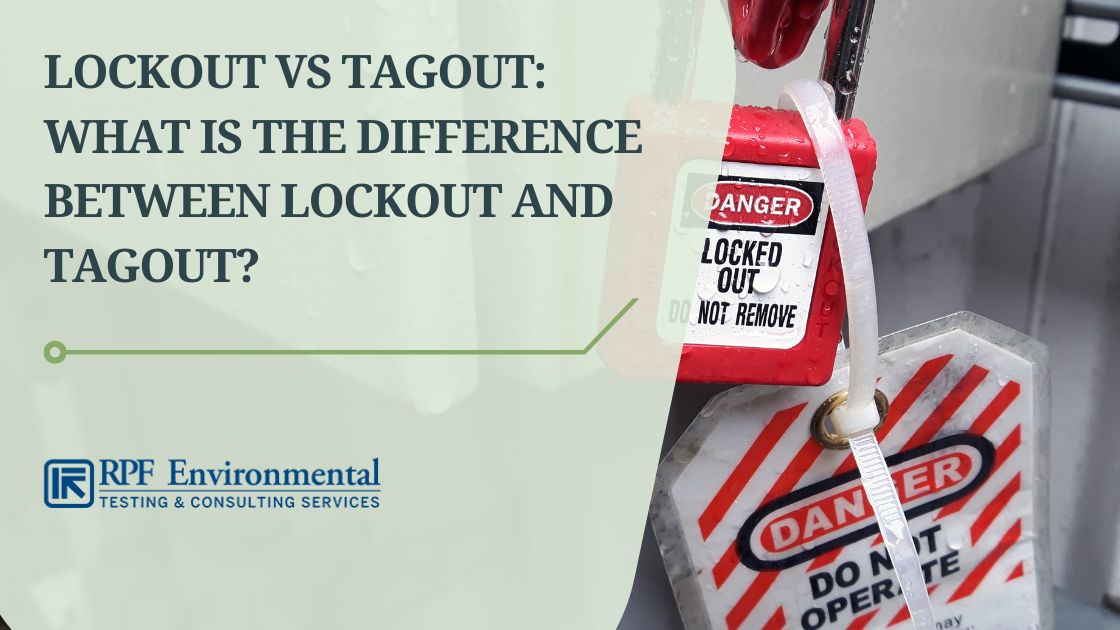
Tags are warnings, not physical barriers. Using tags without locks—especially in multi-person settings—is ineffective and non-compliant. Tags fade, fall off, or get ignored under pressure.
Rule: Locks control energy. Tags communicate intent. Use both—but never tags alone.
Group Lockout Devices: Tools for Multi-Person Safety
To streamline multiple lock applications, workplaces use specialized hardware. These devices standardize control and reduce confusion.
1. Lockout Hasps
A hasp is a metal bracket that clamps over an energy-isolating device and allows multiple padlocks to be attached. Common in electrical panels and valve systems.
- Pros: Simple, low-cost, universally compatible
- Cons: Can be tampered with if not secured properly
Best Practice: Use hasps with shrouded bodies to prevent lock sawing or prying.
2. Group Lockout Boxes
These secure containers hold the keys to secondary energy sources. Each worker places their lock on the box. Only when all locks are removed can the box be opened to retrieve the master key—often used to re-energize the system.
- Ideal for: Complex systems with remote start switches or key-based resets
- Real Use: A maintenance team locks out a boiler system. The startup key is stored in the box. No restart occurs until every technician removes their lock.
3. Valve Lockouts
with Multi-Lock Adapters
For pipelines or pneumatic systems, multi-lock valve sleeves allow several workers to secure the same valve. Especially useful in chemical plants or refineries.
Caution: Ensure adapter fit matches valve diameter. Misfit devices create slippage risk.
4. Electrical Disconnect Lockouts
with Hasp Integration
Circuit breaker lockouts often come with built-in hasps. These accept up to six padlocks, supporting full team coverage on high-risk panels.
5. Cable Lockout Devices
with Multiple Lock Shackle Points
Heavy machinery with multiple disconnect points (e.g., robotic arms) may use cable-based systems with multiple locking stations. Each technician secures a segment, ensuring full coverage.
Compliance and OSHA Requirements for Multi-Lock Scenarios
OSHA 1910.147 outlines specific rules for group lockout procedures—critical when multiple employees service the same equipment.
Key Regulations:
- Each worker must apply their own lock.
- A primary authorized employee coordinates the group effort, but does not override individual control.
- The primary employee must verify that all workers have applied their locks before work begins.
- All employees must be informed of the lockout status and re-energization plans.
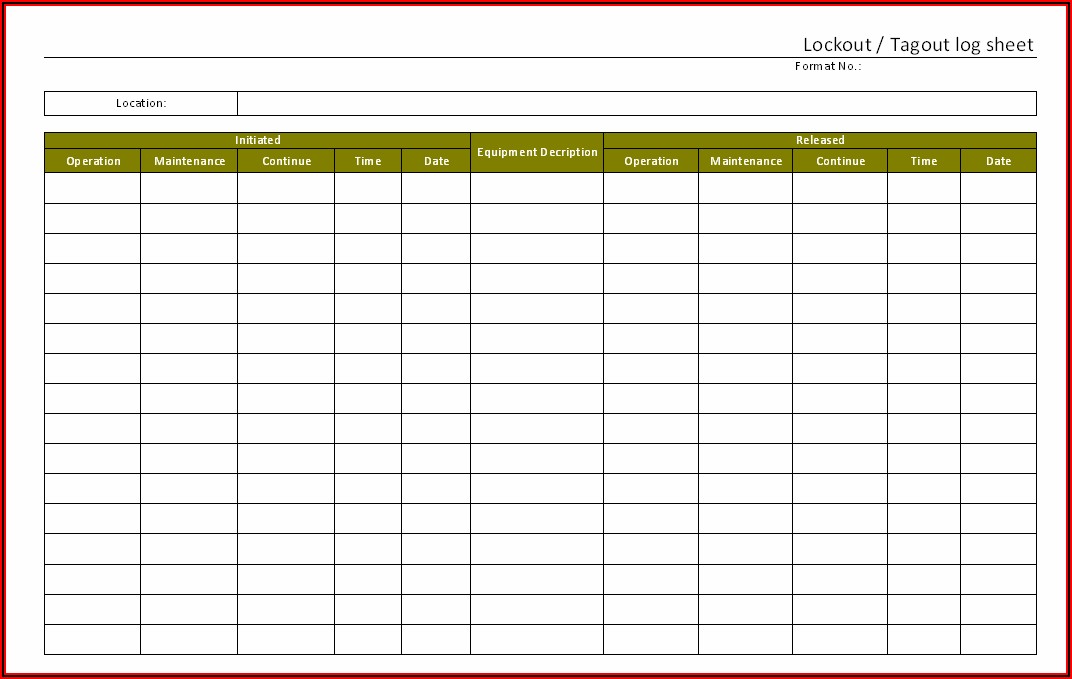
- Written procedures must document the group lockout process.
Failure to comply can result in citations exceeding $15,000 per violation. Worse, it risks lives.
Insight: OSHA doesn’t mandate a specific lock color or brand—but it does require that locks be identifiable, durable, and standardized across the facility.
Training and Accountability: The Human Factor
Technology and hardware are only as strong as the people using them. Even the best multi-lock system fails without proper training.
What Effective Training Includes:
- Hands-on drills with actual equipment
- Role-playing shift handovers
- Recognition of non-obvious energy sources
- Emergency lock removal procedures (with strict authorization)
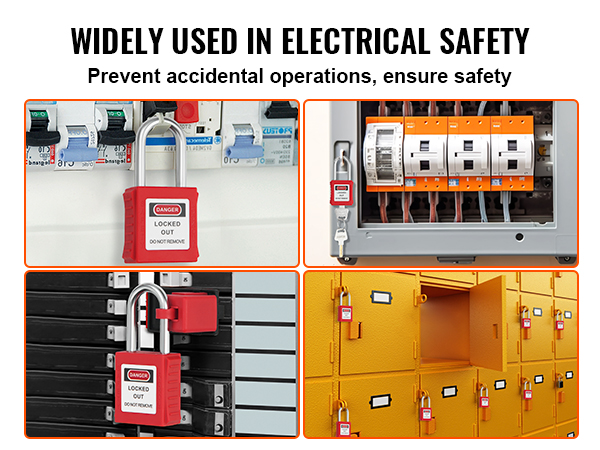
Reality Check: Annual training isn’t enough. High-turnover or high-risk sites should conduct quarterly refreshers.
Assigning Ownership
Every facility should designate lockout coordinators—experienced staff who audit procedures, inspect devices, and enforce compliance. These individuals are not enforcers but educators, ensuring that safety culture is embedded, not imposed.
Tip: Use digital checklists during audits. Scan QR codes on lockout points to log compliance in real time.
Mistakes to Avoid in Multi-Lock LOTO
Even seasoned teams make critical errors. Watch for these red flags:
| Mistake | Risk | Fix |
|---|---|---|
| Using one lock for multiple workers | Defeats personal accountability | Issue individual locks |
| Leaving locks on after work ends | Creates false status | Enforce lock removal policy |
| Skipping verification steps | Hidden energy remains | Test every isolation point |
| Poorly labeled lockout points | Confusion during emergencies | Use color-coded tags and diagrams |
| Not updating procedures after equipment changes | Outdated safety plans | Review LOTO docs after upgrades |
Pro Tip: Conduct surprise LOTO audits. Unannounced checks reveal real compliance levels.
Building a Sustainable Multi-Lock Program
Sustainability means your lockout tagout multiple locks system remains effective over time—not just during inspections.
Implementation Checklist:
- [ ] Inventory all machines requiring group lockout
- [ ] Identify all energy sources per machine
- [ ] Procure personal locks, tags, hasps, and group boxes
- [ ] Develop written procedures for each equipment type
- [ ] Train all authorized employees
- [ ] Conduct a live drill with full team participation
- [ ] Audit quarterly and update documentation
Bonus Step: Integrate LOTO compliance into performance reviews. When safety impacts accountability, adherence improves.
Facilities that treat lockout as a routine—rather than a regulatory box to check—see fewer incidents, higher morale, and smoother operations.
Final Thoughts: Safety Is a Team Lock, Not a Solo Move
Lockout tagout multiple locks procedures exist because safety is collective. You can’t outsource responsibility. You can’t delegate risk. When multiple people work on a machine, each must have personal control over its restart.
The tools exist. The rules are clear. The cost of failure is too high to ignore.
Implement multi-lock protocols with precision. Train consistently. Audit relentlessly. And never let production pressure compromise a single lock.
Your team’s safety isn’t a feature. It’s the foundation.
FAQ
Can a supervisor remove a worker’s lock during an emergency? Only through an authorized emergency removal procedure, which includes notification, verification of employee location, and documentation.
How many locks can be placed on a single hasp? Most standard hasps accommodate 4 to 6 locks. Check manufacturer specs to avoid overcrowding.
What happens if a worker loses their lock key? The lock must be removed under a controlled procedure, typically by a designated safety officer using bolt cutters, after confirming the equipment is safe.
Are electronic lockout systems valid for multiple locks? Yes, if they meet OSHA’s performance requirements, including individual accountability and physical isolation.
Do all workers need to be present during re-energization? Yes, each must verify the work area is clear and remove their own lock before restart.
Can temporary contractors apply locks in a multi-lock system? Absolutely. Contractors are entitled to—and must use—lockout protection just like permanent staff.
Is tagout alone acceptable in group lockout? No. Tagout without a lock is only allowed if the device cannot be physically locked—and even then, additional protective measures are required.
FAQ
What should you look for in Lockout Tagout Multiple Locks: Safety Protocols That Work? Focus on relevance, practical value, and how well the solution matches real user intent.
Is Lockout Tagout Multiple Locks: Safety Protocols That Work suitable for beginners? That depends on the workflow, but a clear step-by-step approach usually makes it easier to start.
How do you compare options around Lockout Tagout Multiple Locks: Safety Protocols That Work? Compare features, trust signals, limitations, pricing, and ease of implementation.
What mistakes should you avoid? Avoid generic choices, weak validation, and decisions based only on marketing claims.
What is the next best step? Shortlist the most relevant options, validate them quickly, and refine from real-world results.