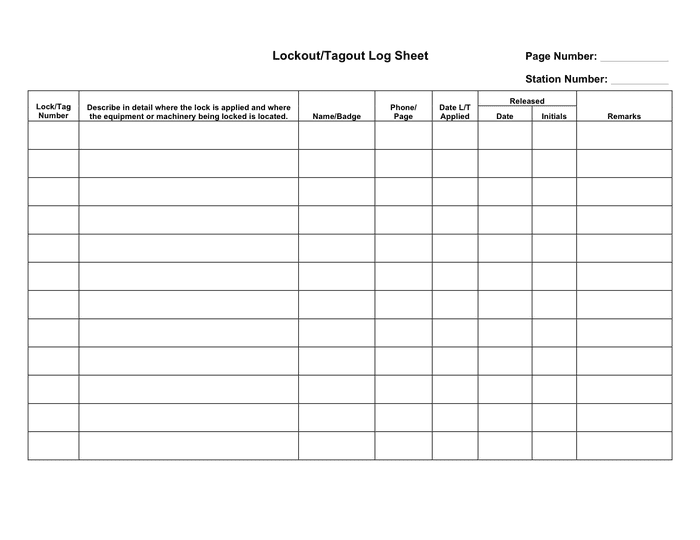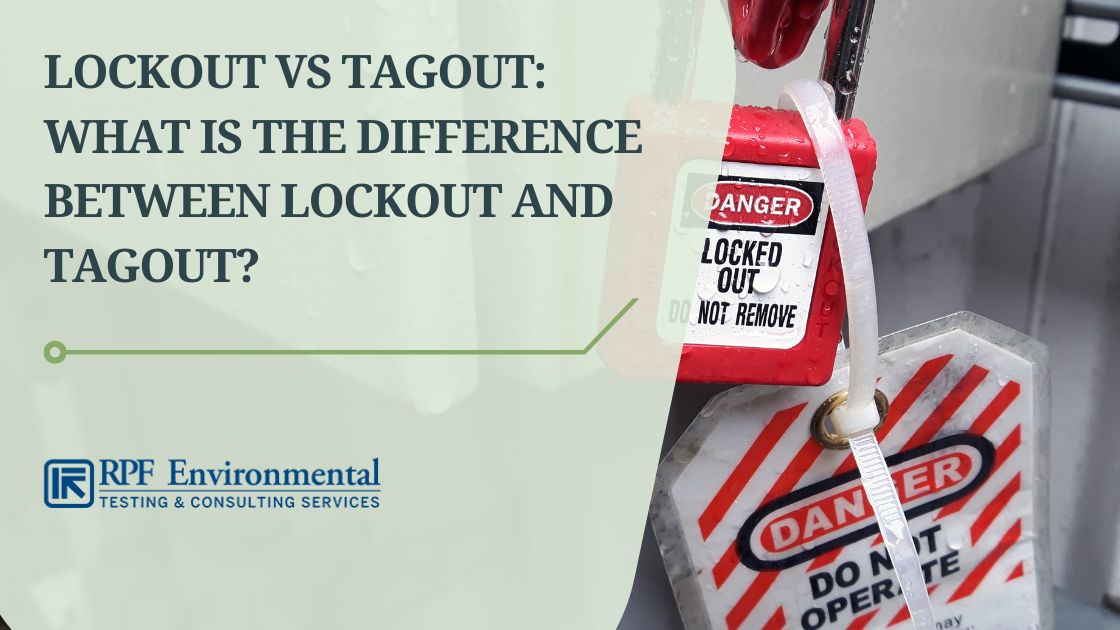
Machines don’t warn you before they start. A conveyor belt can lurch to life. A press can drop unexpectedly. And if someone is inside, cleaning, repairing, or adjusting—those machines can kill.
That’s why lockout and tagout exist. Not as paperwork exercises or compliance checkboxes, but as physical barriers between human workers and sudden energy release. Understanding what tagout and lockout mean—and how they differ—isn’t just about following rules. It’s about preventing amputations, electrocutions, and fatalities.
This guide breaks down the real-world mechanics of LOTO (Lockout/Tagout), explains where each method applies, and shows how to implement them effectively.
The Core Idea: Controlling Hazardous Energy
Before diving into "what is tagout and lockout," it’s essential to understand why they exist.
Machines rely on energy—electrical, hydraulic, pneumatic, chemical, thermal, or gravitational. When that energy isn’t properly isolated during maintenance or servicing, it becomes hazardous. A spring under tension, a capacitor holding a charge, or residual pressure in a line can all cause catastrophic incidents.
Lockout and tagout are components of an Energy Control Program designed to de-energize equipment and prevent accidental startup. They’re not optional extras—they’re required by OSHA regulation 29 CFR 1910.147 in the United States and mirrored in safety standards worldwide.
What Is Lockout?
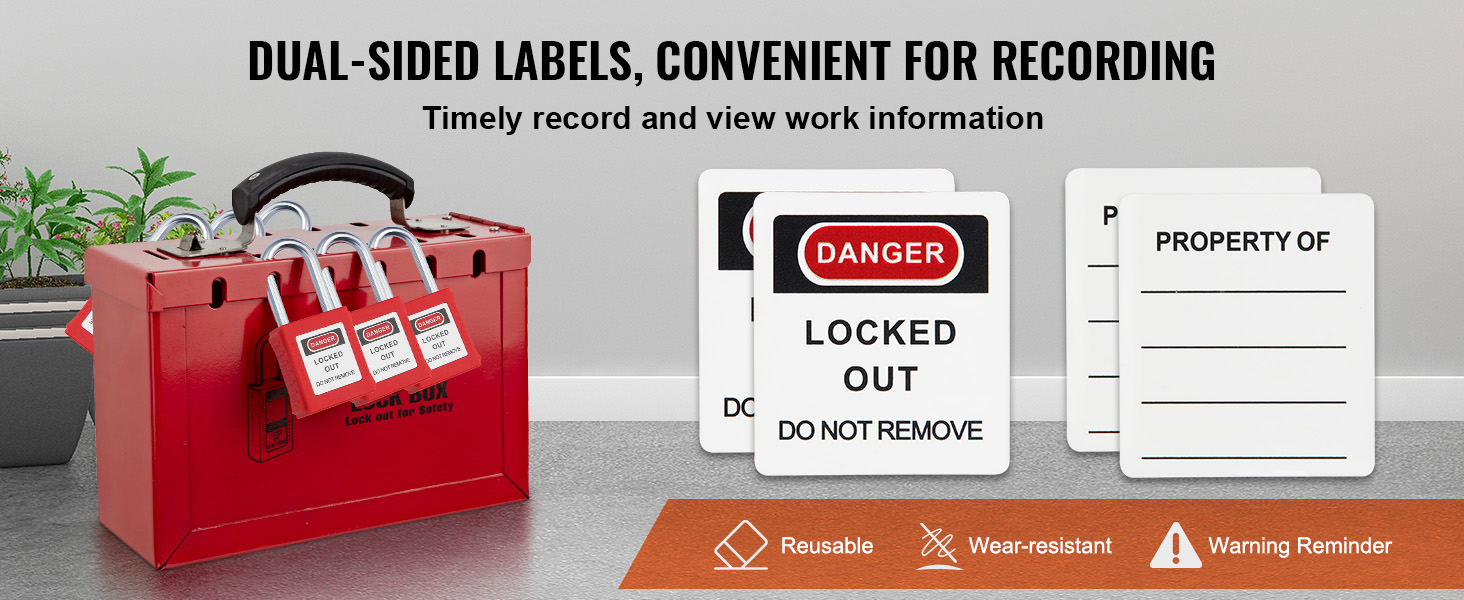
Lockout refers to the physical isolation of energy sources using lockable devices.
Once a machine is shut down, authorized personnel apply locks to energy-isolating devices—like circuit breakers, valve handles, or disconnect switches. These locks prevent the equipment from being re-energized until maintenance is complete.
A lock is more than a symbol. It’s a mechanical barrier. Without the key or the authorized person’s presence, the system stays offline.
How Lockout Works in Practice
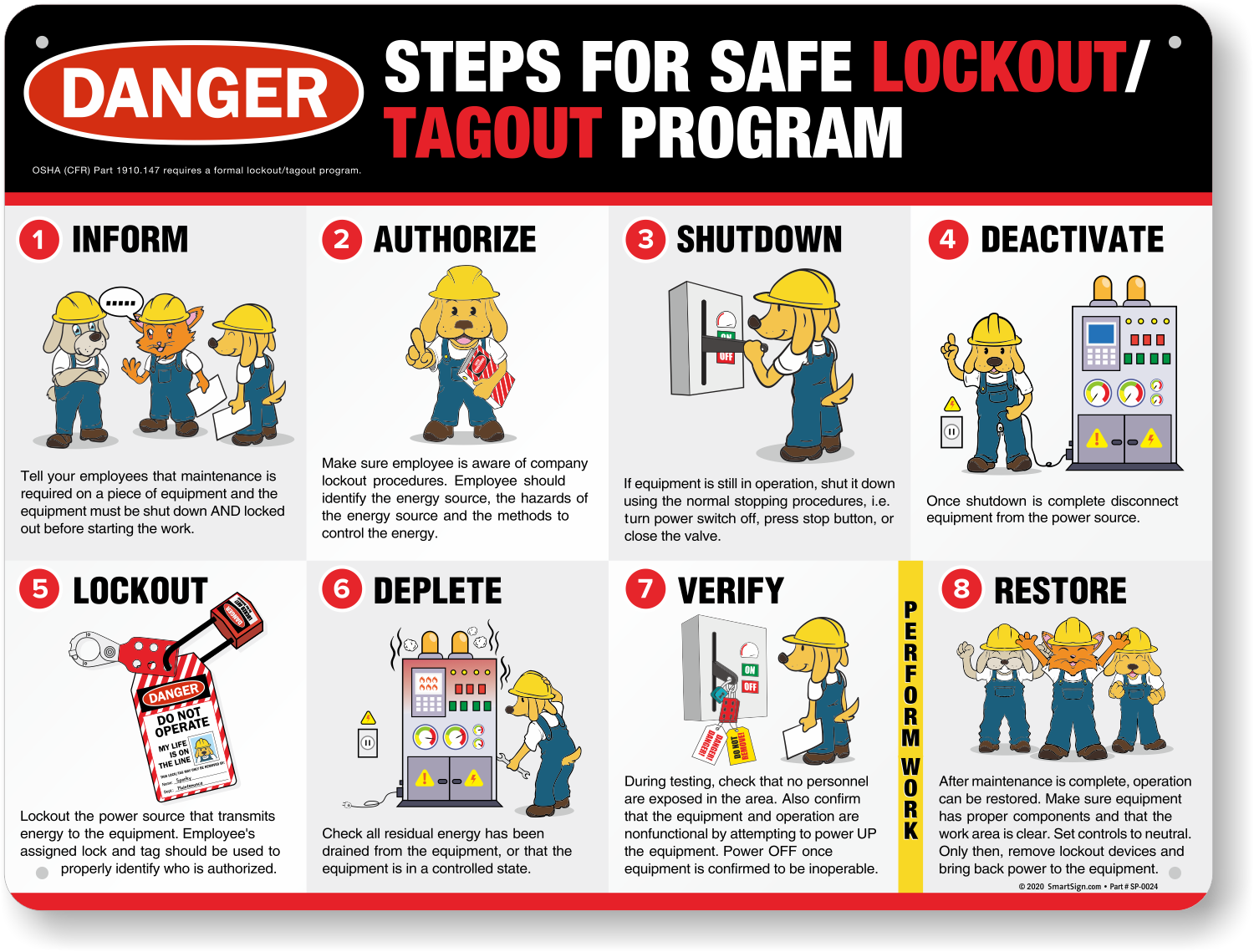
- Notification – Inform affected employees that servicing will occur.
- Shutdown – Turn off the machine using normal stopping procedures.
- Isolation – Disconnect all energy sources (power, gas, fluid lines).
- Lock Application – Place a lock on each isolating device.
- Energy Dissipation – Bleed pressure, drain lines, discharge capacitors.
- Verification – Attempt to restart (safely) to confirm zero energy.
Only after these steps is maintenance permitted.
Real-World Example
A technician servicing a hydraulic press must lock out the main power disconnect and the hydraulic valve. A padlock with their personal key is applied. No one else can restore power without their knowledge. This personal accountability is central to lockout.
What Is Tagout?
Tagout uses warning tags instead of physical locks to indicate that equipment is unsafe to operate.
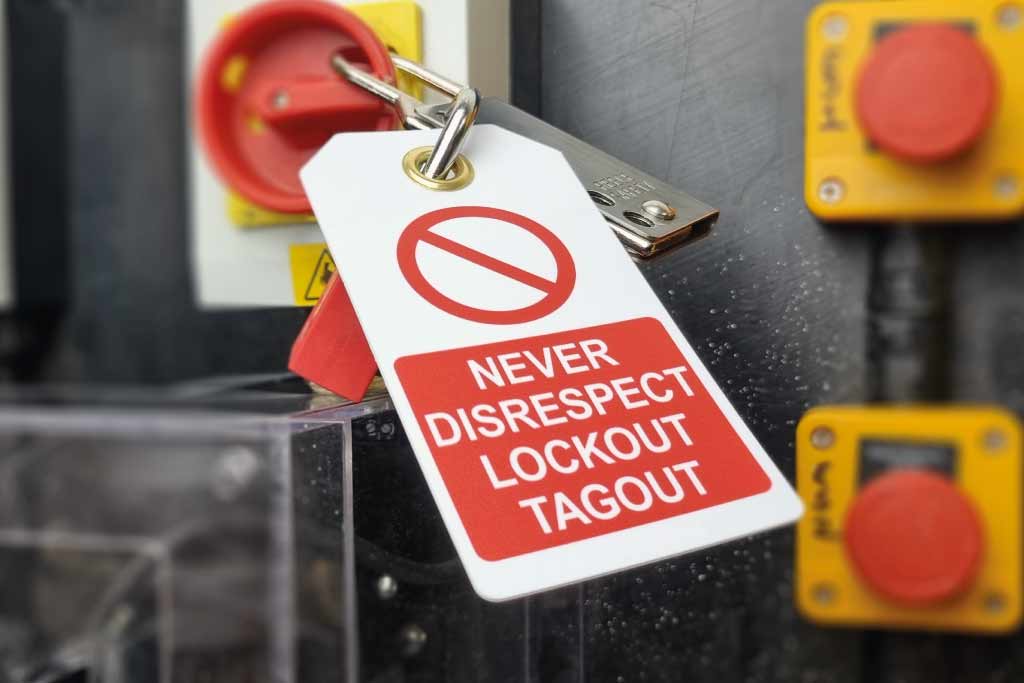
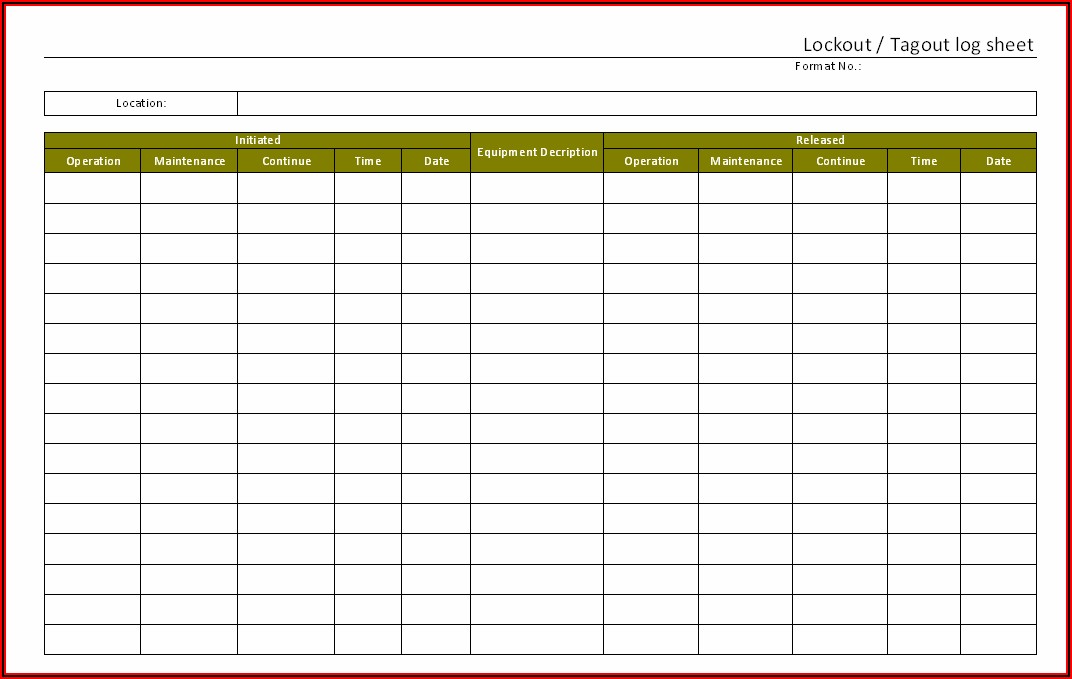
A tag is a brightly colored label—usually red, yellow, or orange—attached to an energy-isolating device. It includes: - Name of the authorized employee - Date and time of application - Reason for shutdown - Warning statement (e.g., “Do Not Operate”)
Unlike a lock, a tag doesn’t physically prevent re-energizing. It relies on awareness and compliance.
When Tagout Is Allowed
OSHA permits tagout only if a lock cannot be applied, or if the tag provides equivalent protection. Most of the time, this means:
- The tag is robust, tamper-resistant, and securely fastened.
- The equipment has a single energy source.
- The system has no accidental startup risk.
- Employees are trained and compliant.
In reality, tagout is often a fallback—not the first choice.
Common Mistakes
with Tagout
- Using flimsy paper tags that degrade or detach
- Failing to update tags during shift changes
- Allowing untrained workers to remove tags
- Assuming a tag is as effective as a lock
One refinery recorded a near-miss when a night-shift worker ignored a faded tag, restored power, and nearly activated a live conveyor during cleaning. The tag had no name, no date, and was half-torn off. That’s not compliance. That’s negligence.
Lockout vs. Tagout: Which Is Better?
| Feature | Lockout | Tagout |
|---|---|---|
| Physical Restraint | Yes (prevents operation) | No (only warns) |
| Security | High (requires key) | Low (can be bypassed) |
| OSHA Preference | Required when feasible | Allowed only when lock isn’t |
| Accountability | Personal lock = direct control | Relies on policy adherence |
| Risk of Human Error | Lower | Significantly higher |
OSHA is clear: if you can lock it, you must lock it. Tagout is not a cheaper or easier alternative—it’s a limited exception.
In high-risk environments—chemical plants, manufacturing floors, power generation sites—lockout is non-negotiable. Tagout may be acceptable in office equipment like photocopiers or low-energy devices, but never where failure could cause serious harm.
Why Both Are Part of LOTO
LOTO (Lockout/Tagout) isn’t two separate programs. It’s one system where both tools work together.
Best practice often involves lockout with tagout: applying a lock and a tag. The lock stops the machine. The tag explains why.
This dual approach: - Reinforces accountability - Provides backup communication - Meets OSHA’s "equivalent safety" standard
Imagine a maintenance team working on a boiler. Each technician applies their personal lock and tag. The system won’t start until all locks are removed. The tags remind others what’s happening. It’s both mechanical and procedural defense.
Common LOTO Failures and How to Avoid Them
Even organizations with written programs fail in execution. Here are recurring breakdowns—and how to fix them.
1. Skipping the Energy Verification Step
Many assume “off” means “safe.” But stored energy can linger.
Fix: Always test. Push the start button (with safety systems engaged). Confirm no movement, no voltage, no pressure.
2. Group Lockout Without Clear Procedures
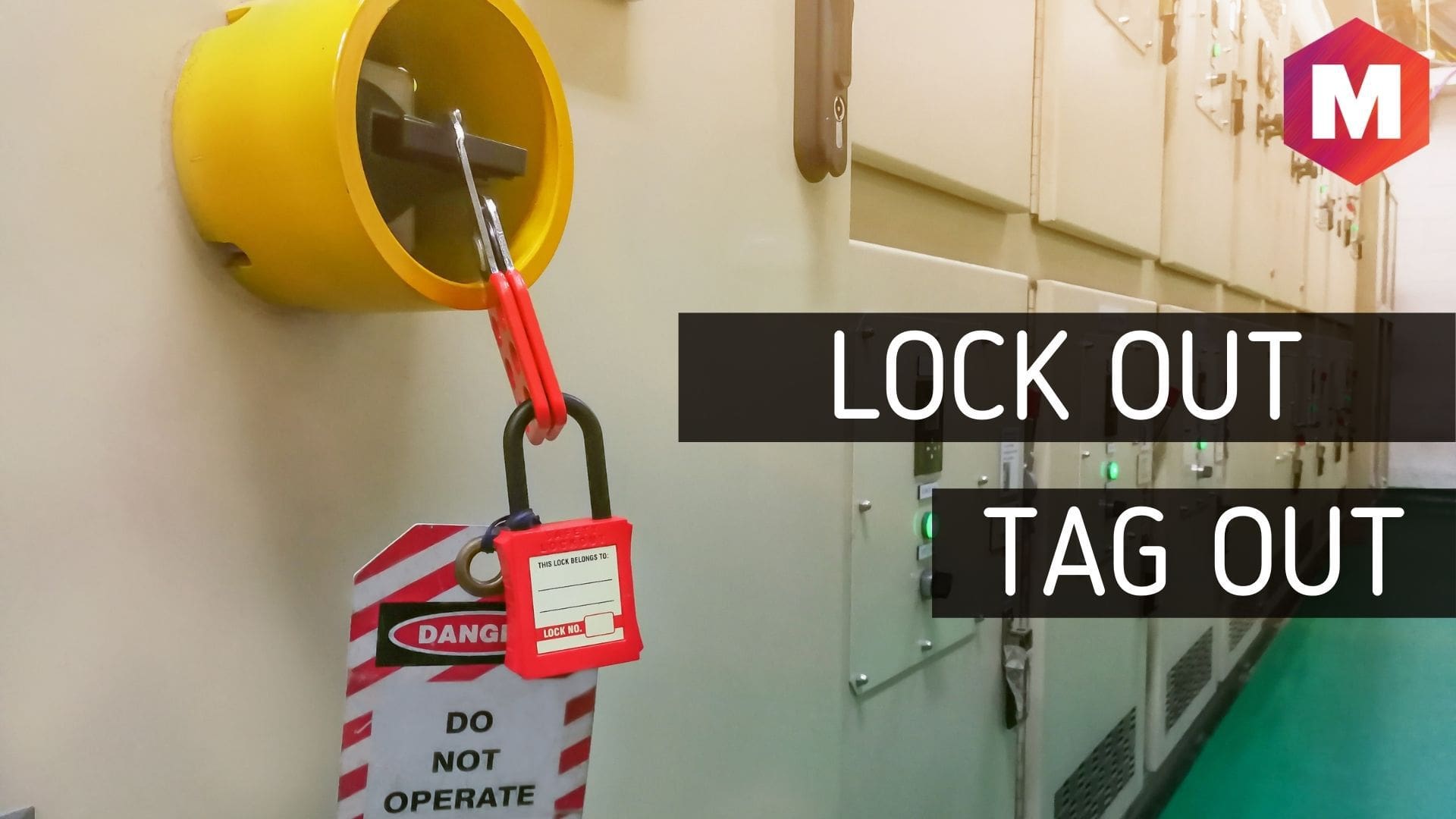
In team maintenance, multiple workers must isolate energy. But without a group lockbox or clear protocol, someone may restore power prematurely.
Fix: Use a hasp and lockbox system. Each worker applies their lock to the main disconnect. Keys are stored inside the box. Only when all work is done and all locks removed can the final person unlock the box and restore energy.
3. Using Master Keys or Shared Locks
A supervisor “speeding up” work by using a master key defeats the entire system.
Fix: Personal locks only. One person, one key. No exceptions.
4. Inadequate Training
Affected employees often don’t understand their role. They think LOTO only applies to mechanics.
Fix: Train all workers—operators, cleaners, contractors—on what the tags and locks mean, and that they must never bypass them.
Industries Where LOTO Is Critical
LOTO isn’t just for factories. Anywhere hazardous energy exists, controls are needed.
- Manufacturing: Assembly lines, robotic arms, presses
- Oil & Gas: Pumps, compressors, refineries
- Healthcare: Medical sterilizers, laundry equipment
- Food Processing: Mixers, slicers, conveyors
- Utilities: Electrical substations, water treatment
- Construction: Heavy machinery, temporary power systems
A meatpacking plant reduced incidents by 70% after overhauling its LOTO program—simply by replacing tags with locks and adding verification steps.
Building an Effective LOTO Program
Compliance isn’t about having a binder on a shelf. It’s about integration into daily workflow.
Key Components:
- Written Procedures: Specific to each machine, not generic
- Authorized vs. Affected Employees: Clear roles defined
- Periodic Inspections: Annual audits of each procedure
- Training Records: Up to date, role-specific
- Devices and Equipment: Quality locks, tags, hasps, lockboxes
Procedures should answer: - Where are the energy sources? - What devices isolate them? - How is stored energy released? - Who applies and removes locks?
A paper mill improved compliance by laminating LOTO checklists and attaching them near machine controls—making the process visible and immediate.
Final Thoughts: Safety Is a System, Not a Symbol
Knowing what tagout and lockout are isn’t enough. You have to apply them correctly—every time.
A tag is only as strong as the culture behind it. A lock is only secure if it’s used consistently.
In high-risk environments, there’s no gray area. If a machine can start, it will start—unless you physically prevent it.
Audit your procedures. Empower your workers. Use locks when you can, tags only when you must. Make LOTO part of the workflow, not an afterthought.
Because in the end, a lock isn’t just a piece of metal. It’s the difference between going home safely and not going home at all.
Frequently Asked Questions
What does lockout/tagout prevent? LOTO prevents unexpected startup or release of hazardous energy during maintenance, protecting workers from injury or death.
Who is responsible for applying lockout devices? Only authorized employees—those trained in energy control procedures—can apply or remove lockout/tagout devices.
Can tagout be used instead of lockout? Only if a lock can’t be applied and the tag provides equivalent protection. OSHA requires lockout whenever possible.
How often should LOTO procedures be inspected? Each procedure must be inspected at least annually to ensure compliance and effectiveness.
What’s the difference between an authorized and affected employee? Authorized employees perform maintenance and apply LOTO. Affected employees operate or use the equipment but don’t service it.
Do LOTO rules apply to corded equipment? Yes. If an employee is performing servicing or maintenance on a plug-in device (e.g., jammed conveyor), unplugging and locking the plug constitutes proper lockout.
Can multiple people work on one machine under LOTO? Yes, using a group lockout procedure where each authorized worker applies their own lock and tag.
FAQ
What should you look for in What Is Tagout and Lockout? A Practical Guide to Safety? Focus on relevance, practical value, and how well the solution matches real user intent.
Is What Is Tagout and Lockout? A Practical Guide to Safety suitable for beginners? That depends on the workflow, but a clear step-by-step approach usually makes it easier to start.
How do you compare options around What Is Tagout and Lockout? A Practical Guide to Safety? Compare features, trust signals, limitations, pricing, and ease of implementation.
What mistakes should you avoid? Avoid generic choices, weak validation, and decisions based only on marketing claims.
What is the next best step? Shortlist the most relevant options, validate them quickly, and refine from real-world results.