Hollywood Studios is changing. And Disney adults—the fiercely devoted, nostalgia-driven fans who treat the parks as spiritual home—aren’t holding back their feelings. What started as a quiet renovation update has exploded into viral debates, emotional TikTok rants, and Instagram threads dissecting every design choice. This isn’t just about construction zones or ride closures. It’s about identity, memory, and what Disney means to a generation raised on its magic.
The shift? A broad reimagining of several core areas within Disney’s Hollywood Studios at Walt Disney World, including the removal or retheming of long-standing attractions, tighter integration of intellectual property (IP) franchises like Frozen and Encanto, and a noticeable pivot away from the park’s original mission: celebrating the golden age of Hollywood.
For casual visitors, the changes may seem like typical park evolution. For Disney adults, they feel like erasure.
Why Hollywood Studios Hits Different for Disney Adults
Disney adults didn’t just grow up with Disney. They were raised on it—Saturday morning cartoons, VHS tapes rewound until they snapped, family trips timed around park openings. Many associate Hollywood Studios with formative park experiences: riding The Great Movie Ride as kids, watching the Lights, Motors, Action! stunt show, or feeling awe at The Twilight Zone Tower of Terror.
This park, more than any other, represented a bridge between cinematic history and personal memory. It wasn’t just about characters. It was about filmmaking, storytelling, and artifice—the magic behind the magic.
Now, as Disney leans harder into IP-driven, franchise-heavy experiences, that bridge is being rebuilt—sometimes literally—with blue sky and talking animals replacing movie reels and director cameos.
“I waited 15 years to ride The Great Movie Ride again,” said one fan in a viral video. “Now they’ve replaced it with a Frozen sing-along. I get it’s popular, but is there no space left for the fans who loved what this park used to stand for?”
That sentiment echoes across subreddits, Facebook groups, and Discord servers. The pain isn’t just about losing rides. It’s about feeling unmoored—like Disney no longer remembers who carried it through the ‘90s and early 2000s.
The New Vision: IP Expansion Over Nostalgia
Disney’s current strategy is clear: leverage what draws crowds now. Frozen, Encanto, Moana, Zootopia—these are billion-dollar franchises with deep Gen Z and millennial resonance. The company isn’t wrong to invest in them. But the execution at Hollywood Studios has felt, to many, like a zero-sum game.
Recent updates include:
- The retheming of Stitch’s Great Escape! space into a Monsters, Inc.-themed experience.
- Expansion of Star Wars: Galaxy’s Edge, reshaping park traffic and flow.
- Development of a new Encanto-inspired attraction near Toy Story Land.
- Cancellation of plans for a Muppets musical stage show in favor of rotating IP-based events.
Each decision makes business sense. But together, they signal a departure from the park’s core identity.
Hollywood Studios was once a place where you could walk past a replica of the Casablanca set or see a life-sized Mary Poppins chimney sweep dance. Today, those moments are vanishing, replaced by meet-and-greets with Elsa and photo ops in front of Lightning McQueen.
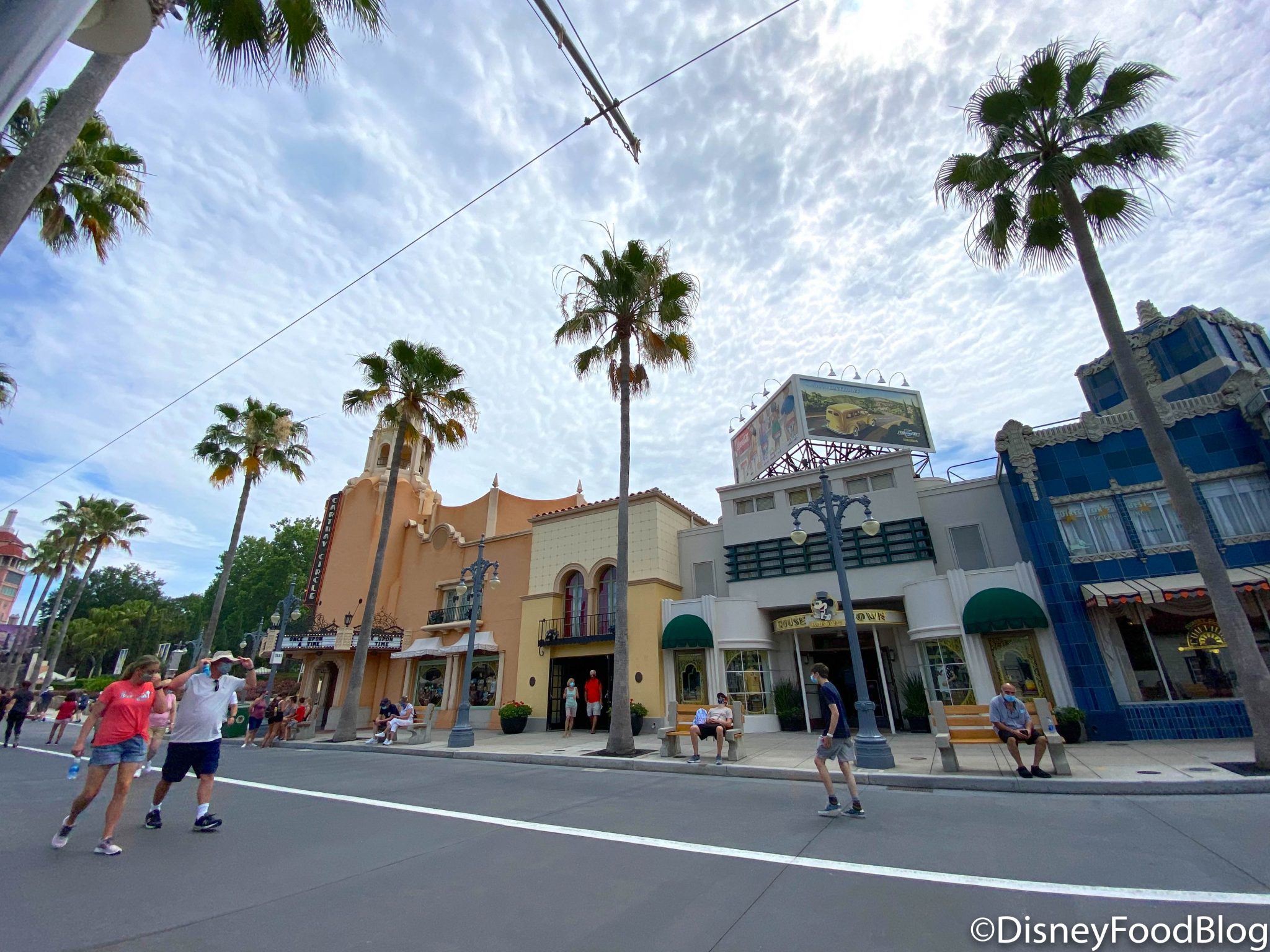
“Disney used to celebrate cinema,” one longtime passholder said. “Now they just insert themselves into cinema.”
The Emotional Divide Among Disney Adults
Not all Disney adults are mourning. Some welcome the change.
“I brought my daughter to Hollywood Studios last year,” said another visitor. “She didn’t care about the Brown Derby. She lit up when she saw Olaf. If Disney wants to stay relevant, they have to evolve.”
This split reveals a deeper tension: Is Disney for the fans who built its legacy, or for the new generation that will sustain it?
The answer, ideally, is both. But park real estate is finite. When Toy Story Land expanded, part of the original park’s backstage infrastructure was absorbed. When Star Wars took over a quadrant of the park, it altered sightlines, acoustics, and guest pacing. The theme of old Hollywood became harder to feel.
Disney adults who return expecting continuity are instead met with sensory whiplash—paparazzi props beside Batuu walkways, 1940s art deco next to neon-streaked droid shops.
It’s not that they hate the new content. It’s that they feel the old soul is being overwritten, not preserved.
Nostalgia vs. Innovation: A Delicate Balance
Nostalgia isn’t just sentimentality. For many Disney adults, it’s a form of emotional continuity. They return to the parks during life transitions—after breakups, job losses, or the death of a parent—because the experience is predictable, comforting, and immersive.
When Disney changes these spaces, it disrupts that stability.
But innovation is necessary. Parks that don’t evolve become relics. Consider Epcot—once a beacon of futurism, it struggled for relevance as its vision aged. The recent overhaul, while controversial, has brought renewed energy.
The issue isn’t change itself. It’s how it’s implemented.
Walt Disney Imagineering has a history of layering new experiences into old frameworks—Guardians of the Galaxy: Cosmic Rewind in Epcot’s World Discovery, for example, keeps the pavilion’s futuristic theme while introducing something bold. It feels like progression, not replacement.
Hollywood Studios’ updates, by contrast, often feel like substitution. Original themes aren’t being modernized—they’re being removed.
Where Disney Could Improve
Disney doesn’t have to choose between nostalgia and innovation. Here’s how they could better serve both fans and franchise goals:
1. Design Nostalgia Zones Dedicate small areas to preserving Hollywood history—interactive exhibits on classic films, rotating displays of movie props, or a “Studio Backlot” experience where guests learn about filmmaking. This honors the park’s roots while making space for new IP.
2. Rotate Limited-Time Attractions Instead of permanent rethemed rides, introduce seasonal or rotating IP experiences. A winter Frozen festival? Yes. A permanent Encanto ride replacing a classic? Risky. Flexibility appeals to both casual fans and purists.
3. Re-engage the Disney Adult Community Host “Imagineer Insights” panels for annual passholders. Survey fans before major changes. Even symbolic inclusion—like naming a walkway after a retired attraction—can ease feelings of loss.
4. Use Technology to Bridge Eras Augmented reality experiences could overlay classic movie moments onto modern spaces. Imagine pointing your phone at the Chinese Theatre and seeing Mickey in Fantasia, or Judy Garland singing “Over the Rainbow” from a vintage stage.
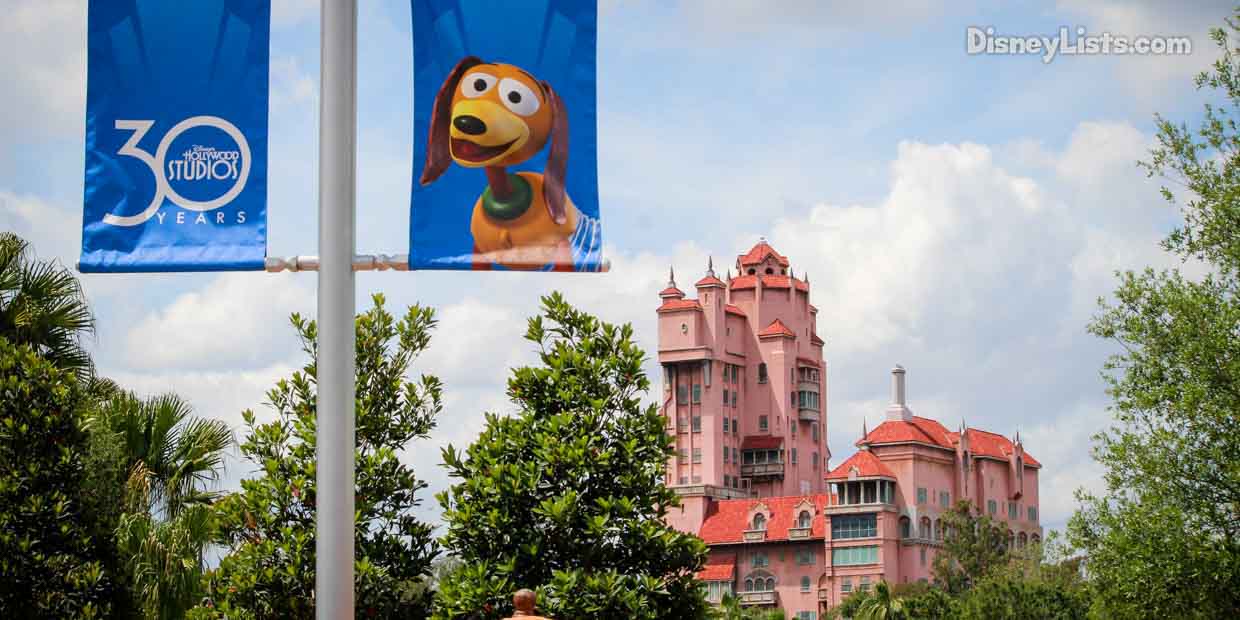
5. Tell the Story of the Park Itself Create a narrative thread that acknowledges Hollywood Studios’ evolution. A timeline mural, a themed walking path, or even a short film in the entrance queue could help guests understand why changes happened—without erasing what came before.
The Bigger Picture: Disney Adults Are Here to Stay
Disney adults aren’t a passing trend. They’re a powerful segment—emotionally invested, financially capable, and socially vocal. They plan elaborate trips, collect merchandise, create content, and influence others.
Ignoring their feelings isn’t just unkind. It’s bad business.
But Disney also can’t freeze its parks in amber. The solution isn’t resistance—it’s integration. The most successful theme parks don’t abandon their roots; they reinterpret them.
Universal, for example, has managed to expand Wizarding World of Harry Potter while maintaining nods to classic horror and sci-fi. Disney can do the same.
The love Disney adults have for Hollywood Studios is real. It’s deep. It’s sometimes irrational. But it’s also valuable. These fans don’t just want rides. They want to feel seen.
When Disney removes a theater or silences a soundtrack, it’s not just closing a ride. It’s sending a message: You don’t belong here anymore.
That’s a message the company should be careful about sending.
Moving Forward with Heart
Disney can keep building for the next generation without dismantling the past. Hollywood Studios doesn’t need to be a museum—but it also shouldn’t become a theme park-shaped billboard for the latest streaming hit.
The strongest parks are layered. They reward repeat visitors with discovery and emotional resonance. They respect history while embracing the future.
For Disney adults, that balance is everything.
Disney: Listen to the big feelings. They’re not just noise. They’re proof that your magic still matters.
FAQ
Why are Disney adults so upset about changes to Hollywood Studios? Many Disney adults associate the park with childhood memories and cinematic history. Changes that remove classic attractions or shift focus to new franchises can feel like a loss of identity and nostalgia.
Is Hollywood Studios completely abandoning its original theme? Not entirely, but the emphasis has shifted. While elements of Hollywood history remain, recent expansions prioritize IP-driven experiences like Star Wars and Frozen over the park’s original mission.
Are younger guests responding positively to the new changes? Yes. Younger audiences and families with small children often respond well to character-based attractions and immersive worlds like Galaxy’s Edge.
Could Disney include both nostalgia and new IP in Hollywood Studios? Absolutely. Through rotating experiences, dedicated heritage zones, and layered storytelling, Disney can honor its past while embracing the future.
What happened to The Great Movie Ride? It closed in 2017 and was replaced by Mickey & Minnie’s Runaway Railway, a CGI-heavy dark ride centered on Mickey Mouse. The change remains a sore point for many fans.
Is there any way for fans to share feedback with Disney? Yes. Guests can share input through official channels like the My Disney Experience app, Guest Relations, or fan events like D23 expos.
Will classic Hollywood themes ever return in a major way? No official plans exist, but fan demand and creative reimagination could revive aspects of the theme in new forms—especially if nostalgia-driven experiences gain traction.
FAQ
What should you look for in Disney Adults React to Hollywood Studios’ Big Shift? Focus on relevance, practical value, and how well the solution matches real user intent.
Is Disney Adults React to Hollywood Studios’ Big Shift suitable for beginners? That depends on the workflow, but a clear step-by-step approach usually makes it easier to start.
How do you compare options around Disney Adults React to Hollywood Studios’ Big Shift? Compare features, trust signals, limitations, pricing, and ease of implementation.
What mistakes should you avoid? Avoid generic choices, weak validation, and decisions based only on marketing claims.
What is the next best step? Shortlist the most relevant options, validate them quickly, and refine from real-world results.